New AMD processors do not fully support… AMD graphics cards
A few days ago, AMD presented processors from the series Ryzen AI 400 PRO for laptops and desktop computers and APU systems in the form of Ryzen AI 400. While the former are solutions for enterprises, the latter are intended to replace the popular Ryzen 8000G series and allow for cheap gaming. Unfortunately, the new details from the specifications are revealing a big disadvantage.
Selected graphics cards may record 30% less FPS
The published data shows that the new processors offer fewer PCIe lanes than the previous generation. The most powerful model in this family, Ryzen AI 7 450Ghas a total of 16 PCIe 4.0 lines, of which 12 lines remain to be used. In the case of the model Ryzen AI 5 435G this number drops to 14 4.0 lines, of which only 10 lines are active.
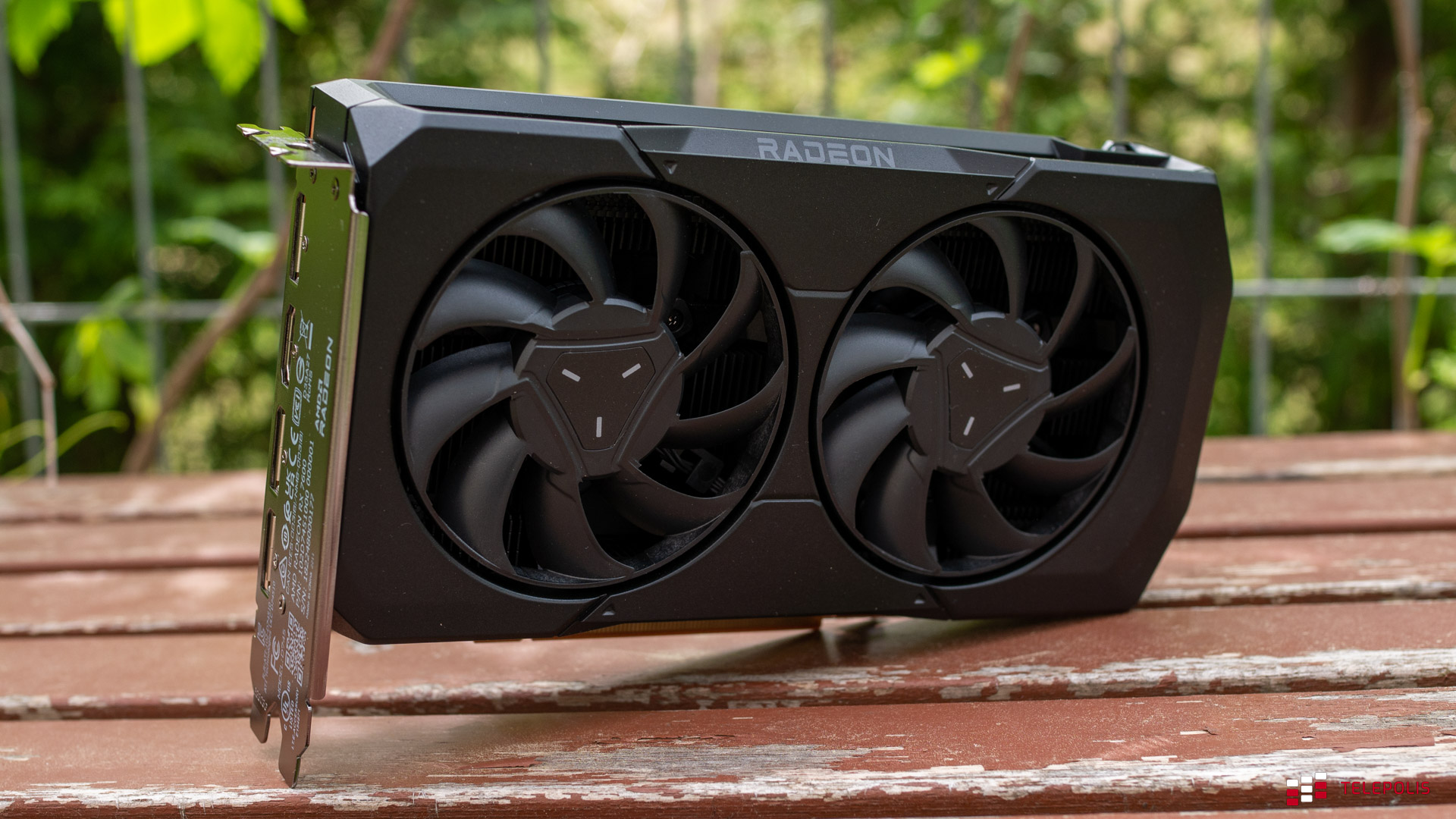
In practical terms this means big compromises. In the top Ryzen AI 400 for AM5, the maximum configuration for the GPU will correspond to the mode PCIe 4.0 x8. This means a throughput close to PCIe 3.0 x16. Unless this will be a critical issue for many graphics cards, yes in some scenarios, the performance drop may be noticeable – up to 30%. I’m mainly talking about series like: AMD Radeon RX 9000 or NVIDIA GeForce RTX 5000.

Of course, APUs were not designed to work with the most expensive graphics cards. This is why they get a more powerful iGPU to enable the construction of cheaper computers without the need to install a dedicated GPU. However, manufacturers of ready-made sets do not always care about this, this will also be a problem when modernizing on your own later.