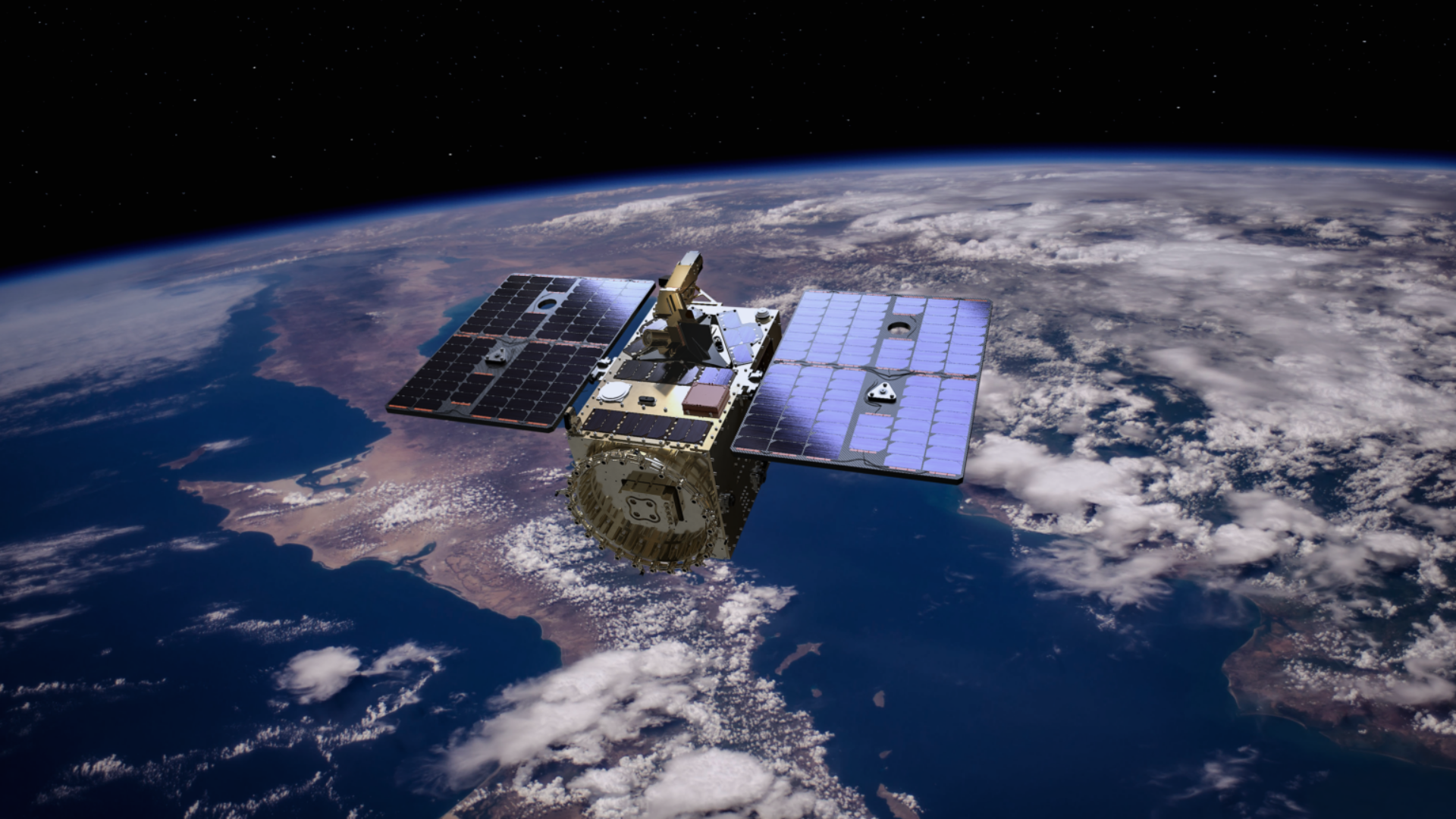
Poland’s Largest Satellite Has Problems in Space. What Now?
Just over a week ago, we celebrated the great success of the Polish space industry. Unfortunately, it turns out that the first serious problems have appeared with the satellite that was just launched above Earth. The company responsible for its creation has issued a statement on the matter.
Creotech, the main leader of the project that launched the EagleEye satellite into space, reported on its website and social media about the facility’s problems. For now, the news is not very optimistic, but there is still hope. The object itself only rose into space a few days ago.
Two scenarios
As reported by the company, two days ago, on August 25, 2024, information was made public as part of the ESPI report no. 26/2024 about problems with the EagleEye satellite’s two-way communication. Unfortunately, after a period of stable operation of the facility, during which basic tests of most platform subsystems were carried out, significant problems with two-way communication were identified, resulting in the inability to receive telemetry data. What could be their reasons?
The company believes that The two most likely reasons are: inaccuracy in determining the position of the satellite, resulting in incorrect positioning of the ground antenna used for communications, or a shortage of electrical power on the satellite. Creotech is now trying to fix the problem by checking these two scenarios. As Jędrzej Kowalewski, CEO of Scanway SA, suggests on Twitter/X, if the first option turns out to be the problem, there is a good chance that communication will be restored, and quite quickly. This is also confirmed by the statement.
What have you managed to do so far?
As Creotech emphasizes in its text, From the beginning of the EagleEye mission until the communications issues occurred, basic testing of most platform subsystems was completed, including approximately 50% of the tests planned for the HyperSat space work. Among other things, the following were tested: AOCS satellite orientation and stabilization subsystems and on-board computer subsystems, which showed correct sending of commands to the rest of the subsystems and telemetry readings. The power distribution subsystem was also checked, which tested correct charging and power distribution on all subsystems in the satellite and correct opening of the solar panels.
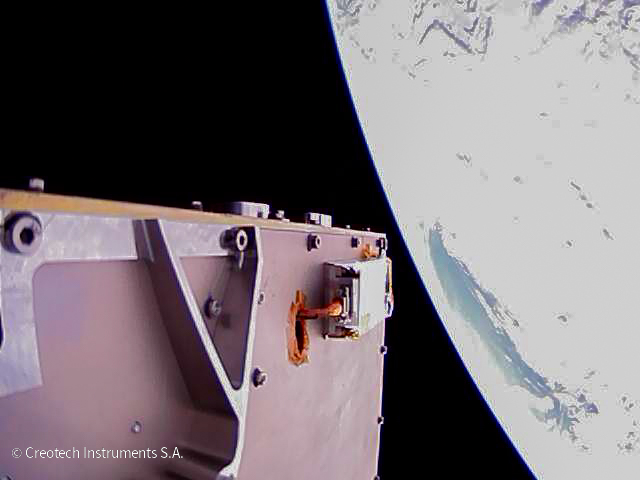
The problem turned out to be locating the satellite using ground-based systems. The power instability scenario is more serious, but the HyperSat platform is designed so that even in a critical power state the system can initiate an internal restart and start transmitting data. The issue here is time, which is related to waiting for the battery to charge in sub-optimal conditions of orientation to the Sun.
What about this Eagle? I have received many questions asking for clarification on how to understand the EagleEye (EE) problems described in yesterday’s statement of the Management Board of Creotech Instruments SA. I will try to explain what the two described problems may mean without stepping into the shoes of the consortium leader. pic.twitter.com/pDp8K4FPzW
— Jedrzej Kowalewski (@jj_kowalewski) August 27, 2024
It is worth emphasizing that EagleEye is a prototype satellite with uncertainties in operation, and the recovery procedure itself carries risks, which is natural in this industry. However, the HyperSat platform tests as part of the EagleEye mission have already provided Creotech Instruments SA with a wealth of information and allowed them to test virtually all of the critical platform elements and find areas that need to be improved in the future. For this reason, as we read in the statement, The Company views the EagleEye mission as a major success at this stage. And we keep our fingers crossed for the return to communication with the satellite.