
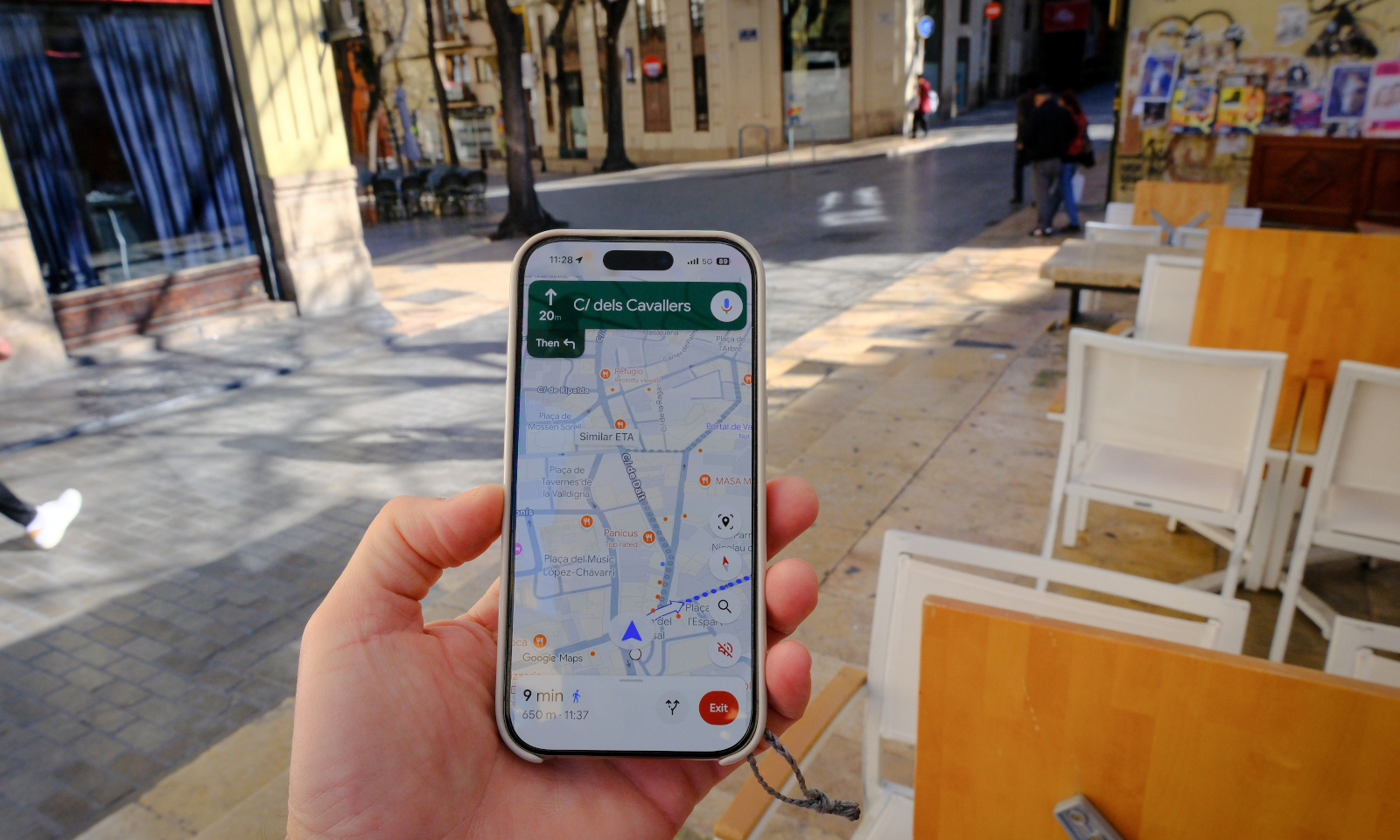
Google Maps with the biggest change in 10 years. See how they make driving easier
Google has already started integrating its Maps with the Gemini assistant, making it easier to search for addresses or locations. The first functions using AI appeared at the beginning of 2024, and at the end of last year Google implemented the Gemini assistant in Maps, which allows for longer voice commands and navigation around landmarks. Now, however, the application has been more integrated with Google artificial intelligence, all existing tools have been integrated and improved, which took the form of the Ask Maps function. Google argues that this is the biggest change to Maps in a decade.
Talk to the map like you would to your wife
Ask Maps is a new, conversational tool that answers complex questions about real places. Instead of tediously searching through reviews, users can now simply ask about a place they are interested in, as if they were asking someone else. Google gives these query examples:
My phone is running out of charge – where can I charge it without waiting in a long queue for coffee?
Is there a public tennis court with lights on that I could play on tonight?
The app will analyze data from over 300 million places and feedback from half a billion users to provide precise answers and visualize available options on a customized map. Previously, finding this information required a lot of searching and reviewing. Now just click the Ask Maps button to get your questions answered in a conversational format.
The tool also allows you to plan entire routes and is highly personalized. If we ask to find a cozy place to meet friends halfway, Ask Maps will take into account our previous searches. Knowing, for example, that we prefer vegan cuisine, it will suggest such suggestions. From the level of the generated response, you can immediately book a table, save the place on the list, share it with friends and plan a route to it.
The feature is currently debuting on Android and iOS devices in the US and India, and will soon also be available on personal computers.
Immersive navigation

The second new feature is Immersive Navigation, which is the largest transformation of the driver interface in the recent history of the application. The map has a detailed 3D view that precisely reproduces buildings, viaducts and terrain. Using Gemini models to analyze Street View and aerial photography, the application clearly highlights the most important road elements: traffic lanes, pedestrian crossings, traffic lights and stop signs, making difficult maneuvers much easier.
To reduce stress behind the wheel, Google has introduced a wider route view with smart zoom and transparent buildings, allowing you to better prepare in advance for changing lanes. It has also updated voice prompts, which now sound more natural and provide specific landmarks. Additionally, Google Maps better visualizes the selection of alternative routes. Navigation will also help at the very end of the journey, indicating the exact entrance to the target building, the correct side of the street and nearby parking lots.

Immersive navigation is rolling out to users in the U.S. today, and in the coming months it will appear on iOS and Android smartphones, as well as in CarPlay, Android Auto and cars with Google built-in.


