
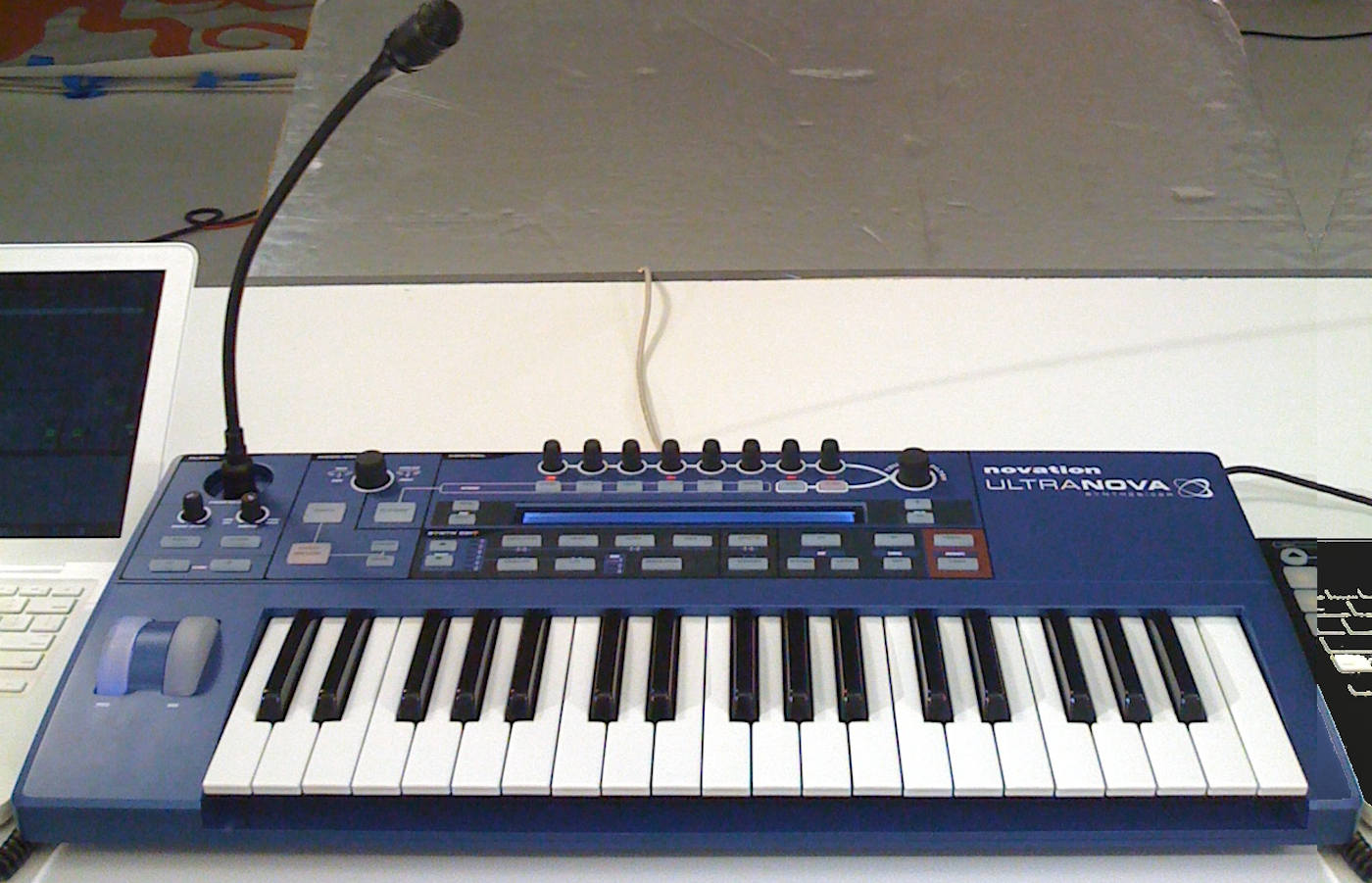
We know him from music. This device was originally intended to help the military
A man who just wanted to compress his voice
The year was 1939. Bell Labs engineer Homer Dudley presented his voder at the World’s Fair – an electrical invention capable of imitating human speech. The service required a virtuoso – keyboard, pedals, full of concentration. Dudley also created a separate device – vocoder. It was a speech compression machine that broke the human voice into frequency bands and transmitted them through thin copper cables at the bottom of the Atlantic. The goal was to use the bandwidth sparingly. At one presentation in 1939, one of Bell’s engineers showed how he first converted his own voice with a vocoder, and then manipulated it with the voder.
The army did not wait – and became especially interested in the vocoder. The system was created during World War II SIGSALS based on it. It was a gigantic installation, weighing 55 tons and taking up an entire room, connecting the Allied leaders using encrypted communications. While Churchill was talking With Roosevelt, their voice rang out metallic and artificially. Back then it was considered a technical defect, but today it is a unique and recognizable effect in music recordings.
Outside of military applications, Bell Labs once recorded an Irish folk song with a vocoder as a joke, but no one was particularly excited about it at the time. By two next decades vocoder rather it was not associated with music at all.
Only in 1968 Bruce Haack built own vocoder and used it on a children’s albumthen the drop slightly hollowed out the rock. Then Bob Moog took the blueprints technical Dudley and created your own model – you can hear it on the soundtrack to “A Clockwork Orange” Kubrick from 1971. Avant-garde artist Wendy Carlos sanctioned the vocoder as a full-fledged instrumentand at the same time the audience at that time got goosebumps.
The real breakthrough took place shortly afterwards. The German band Kraftwerk in 1974 wove it into the first seconds of “Autobahn”. And so on through Herbie Hancock, Afrika Bambaataa, Beastie Boys and Daft Punk – everyone contributed in their own way to this robotic identity of the vocoder in music.


