
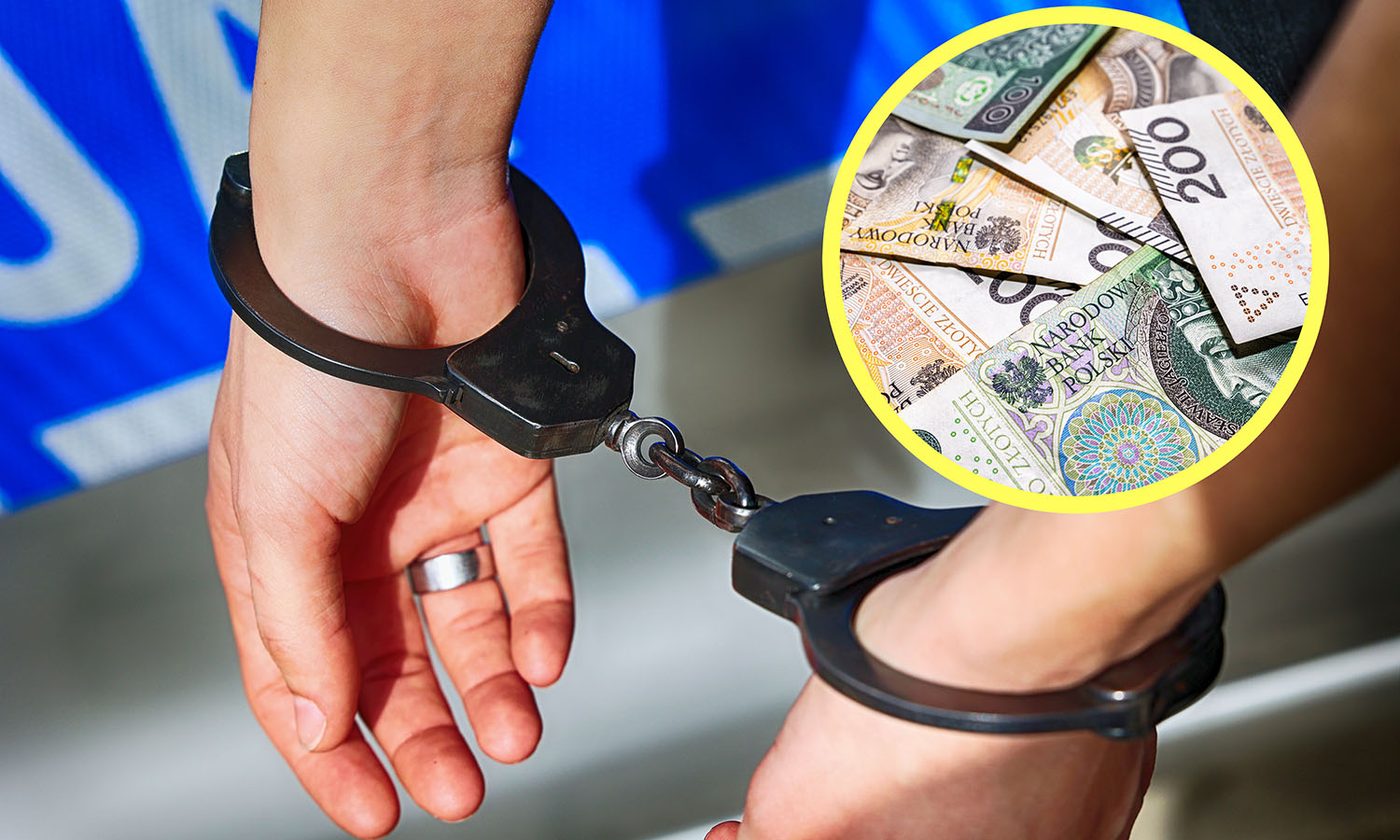
They took over thousands of logins and passwords. And that was just the beginning
The mechanism of the fraud was simple
The criminal group operated in Poland and Germany for two years. Investigators identified eleven people involved in this practice. The fraudsters used a proven phishing method. They created fake websites that pretended to be well-known news portals.
Sensational and fictitious news was published on fake websites. They often concerned the alleged deaths of famous celebrities or politicians. Shocking headlines were intended to make the victim click on the link. The user then saw the Facebook login window. It was confusingly similar to the real thing. Entering data there resulted in their immediate transfer into the hands of criminals.
Mass account takeover
The logins and passwords obtained in this way were used for further crimes. The perpetrators logged into the victims’ accounts and sent messages to their friends. They asked for a quick loan of money using the BLIK code. Many people lost their savings this way. The scale of the practice was enormous.
Police officers from the Central Bureau for Combating Cybercrime secured over 100,000 pairs of logins and passwords. A total of over 400 charges were brought against the group’s members. They concern, among others, money laundering and computer fraud. Six suspects have already been placed in temporary custody. Property worth one million zlotys was also recovered.
What to do in the face of danger?
The services appeal to Internet users to be careful. Each user should check whether their data has not been included in the database taken over by the police. This can be done safely via the government websitebezpieczdane.gov.pl. This is the first step to verifying your security online.
If you detect a leak, act immediately. The police provided a special e-mail address for the injured: (email protected). You should report there the fact that your account has been taken over and any financial losses. Changing passwords immediately is also key. This applies not only to Facebook, but to all websites where the same string of characters was used.


