Polish company? A long time ago and not true, only the name remains
InPost will probably disappear from the Amsterdam stock exchange this year. The news about the ownership changes caused quite a stir in Wisła. Many people gritted their teeth because the Polish company would pass into foreign hands. However, I have already written that InPost has not been Polish for years. The company is based here, has a president from Racibórz, and employs many Poles. But most of the shares in this business belong to entities whose decision-makers are unlikely to cry when they hear Mazurek Dąbrowski.
It can be assumed that this misunderstanding applies not only to the parcel locker operator. There are many companies/brands that Poles still think are ours. A short search brought me dozens of examples. This largely applies to food products: drinks, alcohol, sweets and spices. The list also includes, for example, washing powders. Or chain stores – their names sound Polish, but the shares were exported. A few cases are worth taking a closer look at.
When Telekomunikacja Polska ceased to be Polish
I will start with the telecommunications industry, and the reason is as follows: I was recently asked how Telekomunikacja Polska is doing and where you can find its showroom. The author of the question wanted to return to the Polish operator.
If anyone has similar plans, I hasten to inform you that it is popular Tepsa replaced by the French brand Orange. Telekomunikacja Polska was established in the early 1990s. In the same decade, the entity was listed on the Warsaw Stock Exchange. The shares went to small investors, but also to large players. The leader was France Télécom, which is today known under the Orange brand. In the 21st century, the Polish State Treasury sold blocks of shares to the French, which allowed them to take full control of the company.
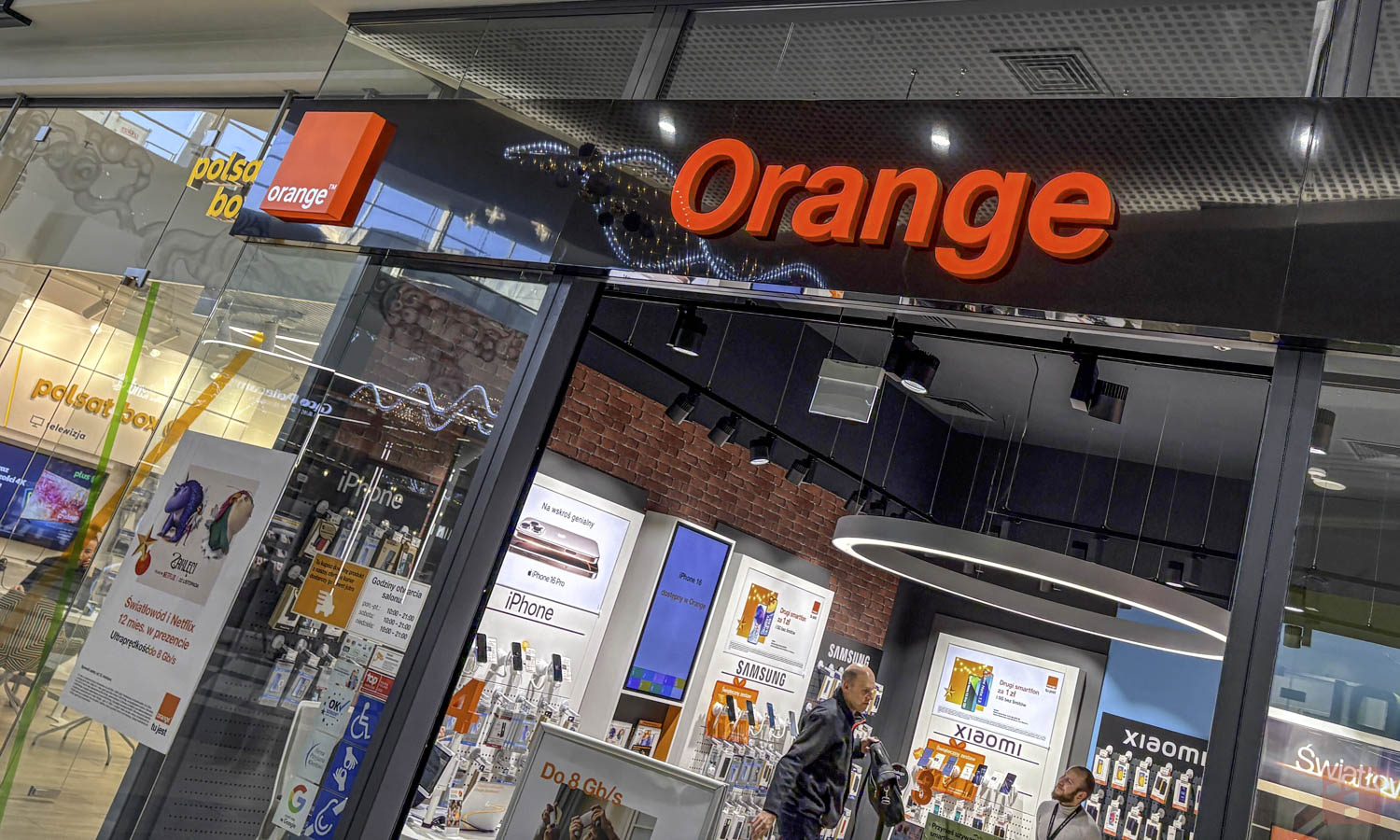
And if anyone wants to buy a card with the Idea logo, I warn you: they may have trouble finding it. This mobile telephony brand belonged to Telekomunikacja Polska and is today controlled by the French. Yes, this is also Orange.
Most of the Polish telecommunications market is not in Polish hands. Information in case someone wants to use Era’s services…
After many years, is Allegro Polish?
Allegro must be arch-Polish. For many people, it is probably synonymous with online shopping on the Vistula River. The platform has been present on our part of the Internet for decades, the company has been listed on the Warsaw Stock Exchange for several years and is even included in the WIG20 index. The entity cooperates with the Great Orchestra of Christmas Charity and promotes itself with advertising that is supposed to move people. Years ago, the material with the Polish grandfather also became popular in other countries. What is the ownership status of this entity?
In this case, it can be said that the matter is complicated. The origins of the website date back to the end of the 20th century and have a “garage” character. Although in this case it’s more “basement”. The business was modeled on the American eBay website, and was run by a Pole and a Dutchman. However, a new shareholder quickly appeared – the British QXL Ricardo group.
In the following decade, the platform was included in the portfolio of the South African giant, Naspers. After a few years, the latter sold the business at a profit to investment funds: Cinven, Permira and Mid Europa Partners. And the funds, as funds do, made money on the investment by introducing Allegro to the above-mentioned stock exchange. Here’s an interesting fact: the company’s shareholding structure is currently quite fragmented. Ultimately, it could turn out that after many years Allegro became Polish. It cannot be ruled out that the scenario known from InPost will repeat itself and that entities will appear that will decide to take their business off the stock exchange. It is unlikely that it would be domestic capital.
Since we are talking about Allegro, it is worth mentioning the advertising website Tablica.pl. It started its life as Szerlok.pl, but the name (to Tablica.pl) and the owner changed quite quickly – the entity came under the umbrella of the mentioned e-commerce tycoon. At that time, it already belonged to Naspers, which decided to unify the names of advertising websites and chose the OLX brand. To sum up: Polish roots, not necessarily current capital.
Comarch disappears from the stock exchange and sets out to conquer the world
Foreign capital is also behind Comarch, a tycoon on the Polish IT market. The company based in Kraków was founded by AGH professor Janusz Filipiak. A regular on the list of the richest Poles, he was the president of Comarch until his death in 2023. Then the business faced major changes, including being removed from the Warsaw trading floor. Today, the majority shareholder of the company is CVC Capital Partners, an international behemoth managing assets worth hundreds of billions of dollars. On the Polish market, this player also invested, among others, in: in Żabka.
With the help of CVC, Comarch is to develop: not only in Poland, but also in the world. This is to be made possible by the fund’s money, experience and extensive contacts. The company simply wants to change the scale of its operations.
Household appliance brands go to the museum
Polish companies from the household appliances market certainly also deserve attention in the context of ownership changes.

Some people probably remember the Mastercook brand. Its roots can be traced back to the 1940s. In the times of the Polish People’s Republic, Wrocławskie Zakłady Metalurgiczne was established, later known as Wrozamet. They supplied various products to the market: from buckets, through coal stoves, to rotary washing machines. Probably millions of Poles have had contact with, for example, Ewa gas stoves, manufactured by Wrozamet.
In the 1990s, the entity introduced the Mastercook brand to the market, which quickly gained customers. In the same decade, cooperation was established with the Spanish company Fagor, which a few years later became the sole shareholder of the Polish company. Two decades ago, the company changed its name to FagorMastercook. It may not have been Polish anymore, but it was developing dynamically: several factories produced various kitchen and bathroom appliances. The manufacturer strengthened its position on the domestic market. Until 2013 came and the Spanish owner went bankrupt. The beautiful dream has come to an end. Today, these plants produce equipment under the Bosch and Siemens brands.
Some people probably also associate the Polar brand with Polish household appliances. This time the action takes place mainly in Łódź, where for decades, among others, refrigerators or washing machines with the company’s logo. The years of political transformation brought the company’s privatization, and at the end of the last century also saw the sale of shares to a foreign entity. There was also a relatively short stock exchange history, and the American Whirlpool eventually became the owner of the business. The extinction of the Polish brand began, Americans preferred to focus on their own brand.
There is also Zelmer. Someone will say: oh, this one survived. That’s true. But only partially. Because in reality there is little left of the former business developed in Podkarpacie. After numerous adventures related to, among others, with privatization, the plants fell into German hands. Currently, they produce household appliances, but under the Bosch and Siemens brands. Brand Zelmer could have been consigned to the dustbin of history, but the Spanish company B&B Trends became interested in it. As a result, you can still buy devices with a recognizable logo. However, the connections with old Zelmer are illusory.

Our class quickly ceased to be “ours”
Do you still remember Polish Facebook? Our Class finally came to an end, but not before it ceased to be Polish.
This story dates back to the first decade of the 21st century, when Zuckerberg’s website was not very popular in Poland (it is worth adding here that the creators of Nasza Klasa did not follow the example of the blue social networking site). The sale of shares to foreign entities actually began shortly after the website was popularized. Relatively quickly, Forticom, a company registered in Latvia, became the majority player in this business. The entity paid several hundred million zlotys for the controlling stake.
In the next decade, the website, already under the name nk.pl, was taken over by Onet. Some will say that he has thus become Polish again. However, it is worth recalling here that Onet itself is controlled by a foreign tycoon. Another change of owner breathed new life into nk.pl? No, the business was pulled out of the plug earlier this decade.
Solaris left for Spain
A famous example of the sale of “family silver” was Solaris. It is a manufacturer of buses, mainly city buses. Its history dates back to the 1990s, when Neoplan Polska was founded. Initially, the entity produced buses under license. Over time, the company became independent from its foreign partner and, under the name Solaris Bus & Coach, experienced dynamic development. Krzysztof and Solange Olszewscy, who are at the helm of the company, have turned it into a player of international standing. Ultimately, however, they got out of this vehicle – Solaris was bought by the Spanish concern CAF.

Polish companies will continue to fall into “foreign” hands
These examples can, of course, be multiplied. Ivona Software created the Ivona speech synthesizer, which was once appreciated by experts, and at the same time it did not remain a laboratory curiosity – the tool was widely used. Finally, Amazon came, took out his wallet and ended the Polish phase of this story. In a completely different industry, there was the Star brand, under which several hundred thousand trucks were released on the market (not only in Poland). However, it did not survive the clash with capitalism. Relatively recently, there was a stir on the Polish political scene because Ursus also changed its owner. The legendary brand ended up in the hands of a Ukrainian investor. Therefore, it turns out that the buyer does not have to be an entity from a rich Western country.
Will there be more news about takeovers of Polish businesses? Probably yes – that’s how the market works. Solaris ended up in Spanish hands because the company’s development required significant funds. This argument now appears in relation to the InPost company. Some entrepreneurs simply want to monetize their business and invest the funds in other ventures. Or retire, sometimes early. There will probably be repeat stories in which a company gets into trouble and is “rescued” by foreign capital. This is happening in many countries.
However, it is worth looking at the other side of the coin: Polish companies also take over entities in other markets. We will probably take a closer look at this phenomenon in some time.