
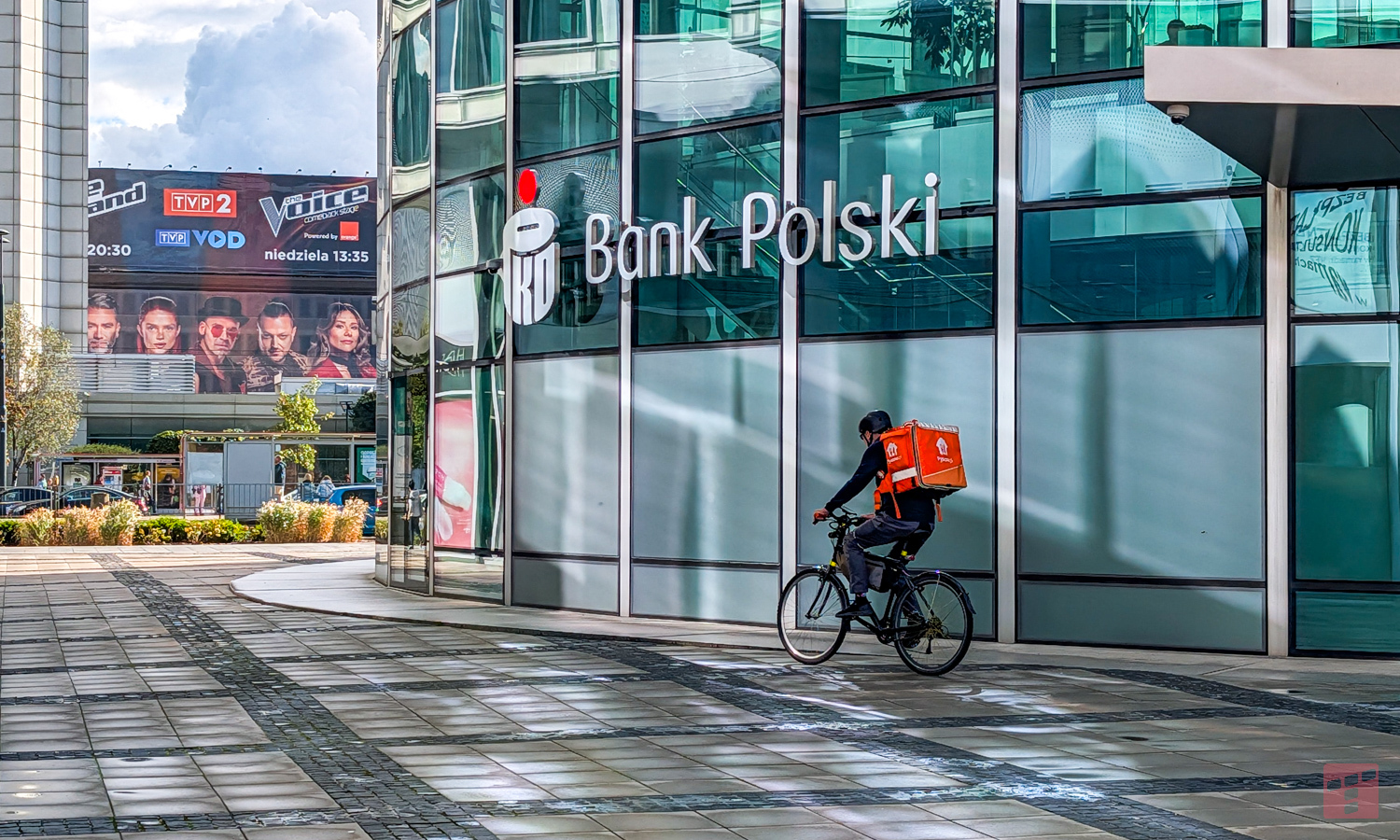
PKO BP: watch out for transfers. The bank issued a statement on an important matter
PKO warns: this is a new trick of fraudsters
If you got it transfer notification to your phone from someone completely stranger to you, a then there was a request to return itknow one thing – fraudsters have just targeted you and decided to use you for nefarious purposes. You may unintentionally take part in financial shenanigans and become an intermediary in a crime. It’s worth knowing how scammers work.
The operating pattern is usually similar. You receive a BLIK transfer from an unknown number. The second step is call. Someone calls you from a foreign number and explains that there was an error. The scammer explains that he sent you money by mistake. Sometimes, he claims that he bought an item from you on a sales website and paid too much. He is now asking for a refund of the overpayment.
Fraud – where’s the catch?
The scammer wants you to make a refund to another phone number or account. The request is often accompanied by pressure that the person needs the money urgently, e.g. to pay bills.
Be careful, this may be a fraud attempt and you may unknowingly become part of it.
PKO BP advises – what to do in such a situation?
First of all, it’s worth it stay alert. If you are sure that this money should not go to you, you can return them, but only to the account number from which they were sent. Under no circumstances should you send money to another account or telephone number provided by a person you do not know. Do not provide any data over the phone, such as login, password, card details or BLIK codes. It is always worth informing the bank about a suspicious incident (just call the hotline or use the form in the IKO application).
BLIK payments are safe, but you should always be vigilant and follow security rules.


