
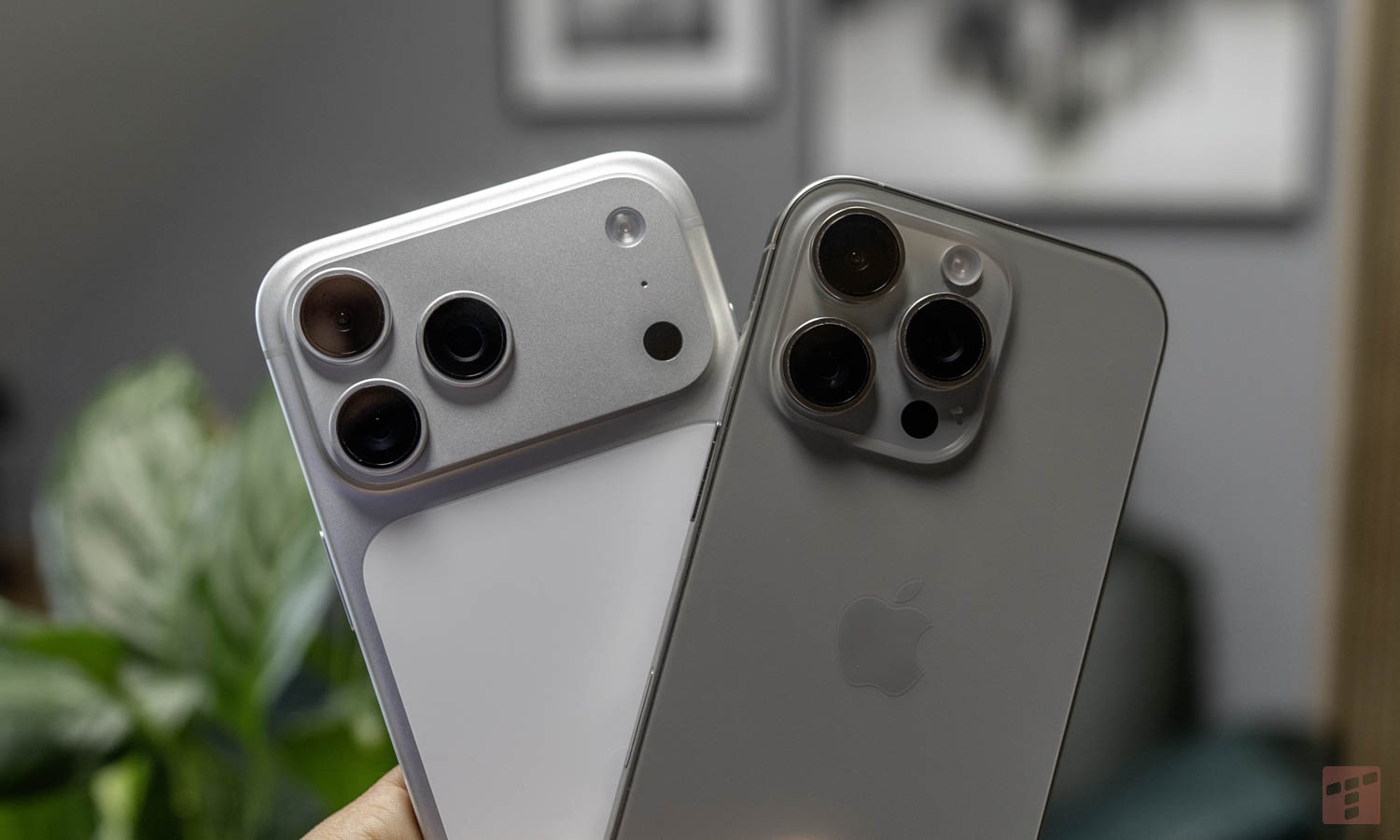
Apple and Samsung are leaving the rest. The year 2025 was theirs
Dominance of two giants
Global smartphone sales in 2025 amounted to 1.26 billion units. This is an increase of almost 2% compared to the previous year. The fourth quarter itself was even better. Manufacturers have delivered over 336 million devices during this time.
The biggest winners are Apple and Samsung. Both companies now control almost 40% of the entire market. Apple maintained its leadership position for the third year in a row. The iPhone 17 series has proven to be a huge hit, especially in China. However, Samsung was not left behind and had the best end of the year in over a decade.
Foldables and artificial intelligence
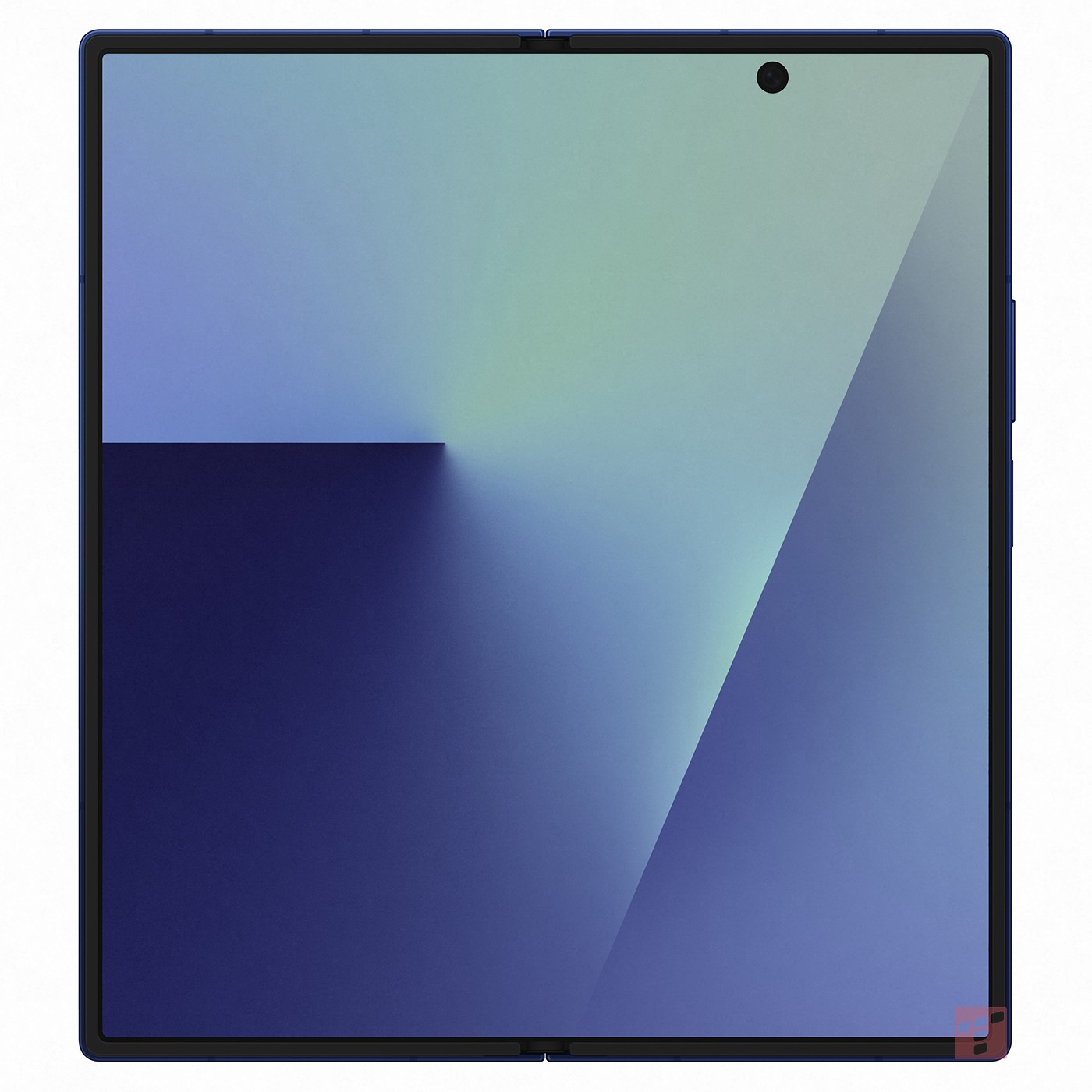
The Koreans owe their success to two product groups. The foldable Galaxy Z Fold7 sold well. At the same time, customers eagerly chose the cheaper Galaxy A series. New models in this line received AI functions, which attracted crowds of buyers.
Screen
8.00″ Dynamic AMOLED
RAM
16GB
Processor
4.47 GHz
Apparatus
200 Mpix
Battery
4400mAh
Built-in memory
1000 GB
See more
There is a clear trend: we are buying more and more expensive phones. Average device prices are rising, and we want top-shelf hardware. It is the premium segment that has driven the entire industry in recent months.
The Chinese competition is facing an uphill battle
The remaining producers face great pressure. Xiaomi maintained the third place on the podium, but recorded significant declines in the last quarter. The company is having difficulty convincing customers to buy its more expensive models. Vivo, on the other hand, is growing mainly due to its huge popularity in India. Oppo is doing well in China, but is doing worse in global markets.
All these brands must fight to survive in the shadow of the two largest players.
-
Global smartphone market in Q4 2025
| Business | 4Q2025 | 4Q2024 | Change year to year |
||
| Size supplies |
Participation in the market |
Size supplies |
Participation in the market |
||
| Apple | 81.3 million | 24.2% | 77.5 million | 23.6% | +4.9% |
| Samsung | 61.2 million | 18.2% | 51.7 million | 15.7% | +18.3% |
| Xiaomi | 37.8 million | 11.2% | 42.7 million | 13.0% | -11.4% |
| Vivo | 27.0 million | 8.0% | 27.1 million | 8.2% | -0.4% |
| Oppo | 26.9 million | 8.0% | 25.0 million | 7.6% | +7.6% |
| Other | 102.1 million | 30.4% | 104.8 million | 31.9% | -2.6% |
| Together | 336.3 million | 100% | 328.8 million | 100% | +2.3% |
-
Global smartphone market in 2025
| Business | 2025 | 2024 | Change year to year |
||
| Size supplies |
Participation in the market |
Size supplies |
Participation in the market |
||
| Apple | 247.8 million | 19.7% | 233.1 million | 18.9% | +6.3% |
| Samsung | 241.2 million | 19.1% | 223.5 million | 18.1% | +7.9% |
| Xiaomi | 165.3 million | 13.1% | 168.4 million | 13.6% | -1.9% |
| Vivo | 103.9 million | 8.2% | 101.2 million | 8.2% | +2.7% |
| Oppo | 102.0 million | 8.1% | 104.8 million | 8.5% | -2.7% |
| Other | 400.0 million | 31.7% | 405.2 million | 32.8% | -1.3% |
| Together | 1,260.3 million | 100% | 1236.3 million | 100% | +1.9% |
Difficult times and salary increases are coming
Various analytical companies agree on one thing: 2026 does not promise to be rosy. The industry is struggling with a huge shortage of memory chips. This is an unprecedented supply chain crisis. Experts predict that the market will start to shrink.
Problems with component availability mean it will be more expensive. Larger manufacturers, such as Apple and Samsung, will be better able to secure supplies. Smaller brands, however, may have a serious problem maintaining competitive prices.


