AMD is lagging behind again. New chips will be delayed and poorly available
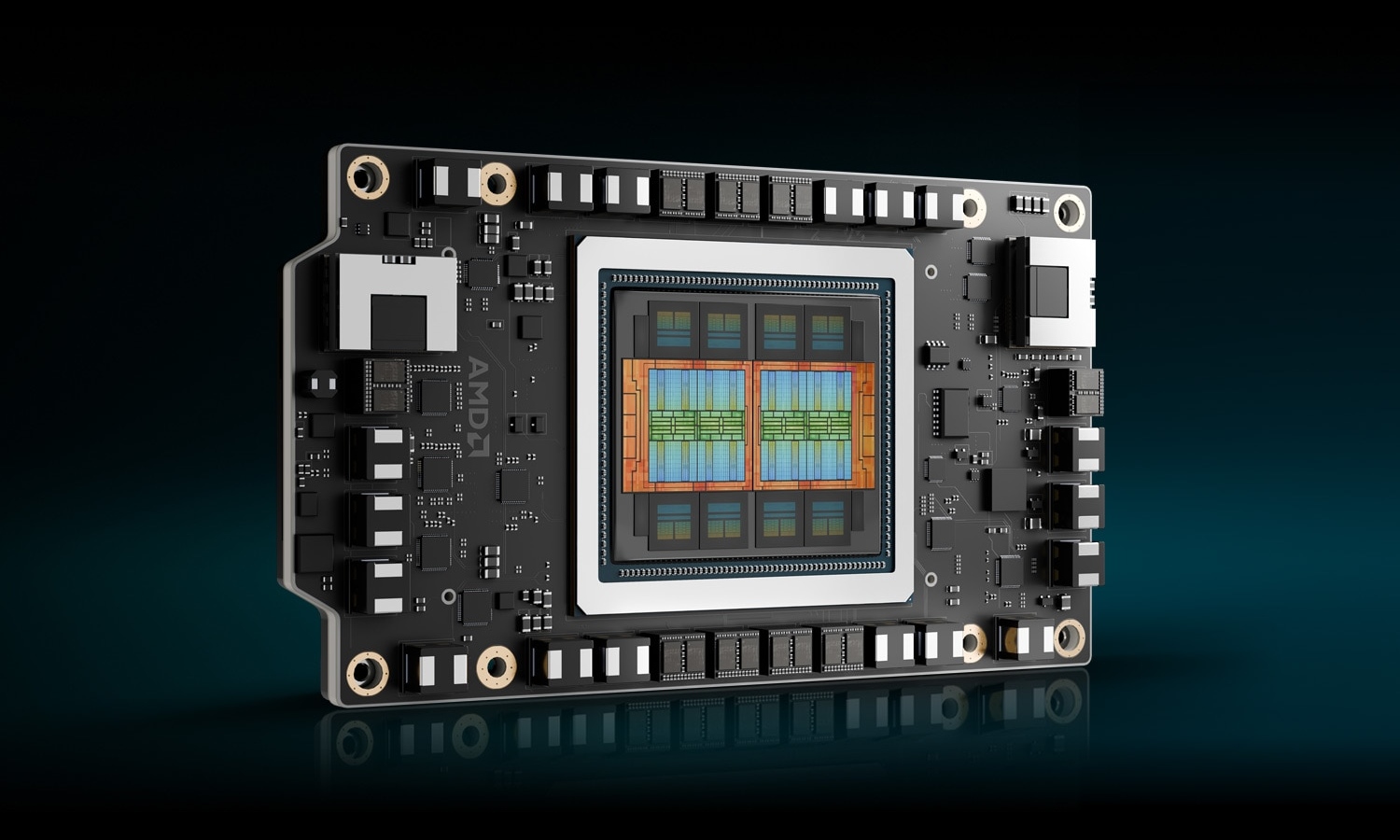
A new report casts doubt on the plans AMD. According to analysts from SemiAnalysis the next generation of AI accelerators, i.e Instinct MI455Xwhich are intended to compete with NVIDIA Vera Rubin systems, face serious production problems. In practice this means that the premiere and mass production of AMD’s flagship solutions may be significantly delayedand the first large deliveries will go to customers only in the second half of 2027.
It seems that NVIDIA’s position is unshakable
We’re talking about here a key element of the Reds’ strategy in the fight for the hyperscaler AI infrastructure market. The new chips are expected to offer approximately 2x more computing power for inference tasks than the current ones and to switch to memory HBM4 with a capacity of up to 432 GB and a bandwidth of 19.6 TB/s, which is expected to significantly improve performance with low-precision AI models. Each GPU will also provide 300 GB/s for communication in distributed systems and support new AI data formats such as FP4.
The problem is that first engineering units and low-volume production systems in full configuration with 72 AI accelerators and AMD EPYC processors are expected to appear in the second half of 2026. Later, tests and preparation for mass production are to begin, a formal confirmation of the readiness of the production line for customers is planned only in the second quarter of 2027.

AMD explains the delays by the fact that Helios platforms are very complex systems. Difficulties in such a complex project are not a surprise, but the company wants to solve them before starting full production. Although this is the right approach, this means that NVIDIA will dominate this year once again. And after the implementation of the Vera Rubin series, many AI centers will no longer even think about AMD, especially when electricity becomes the main drag.