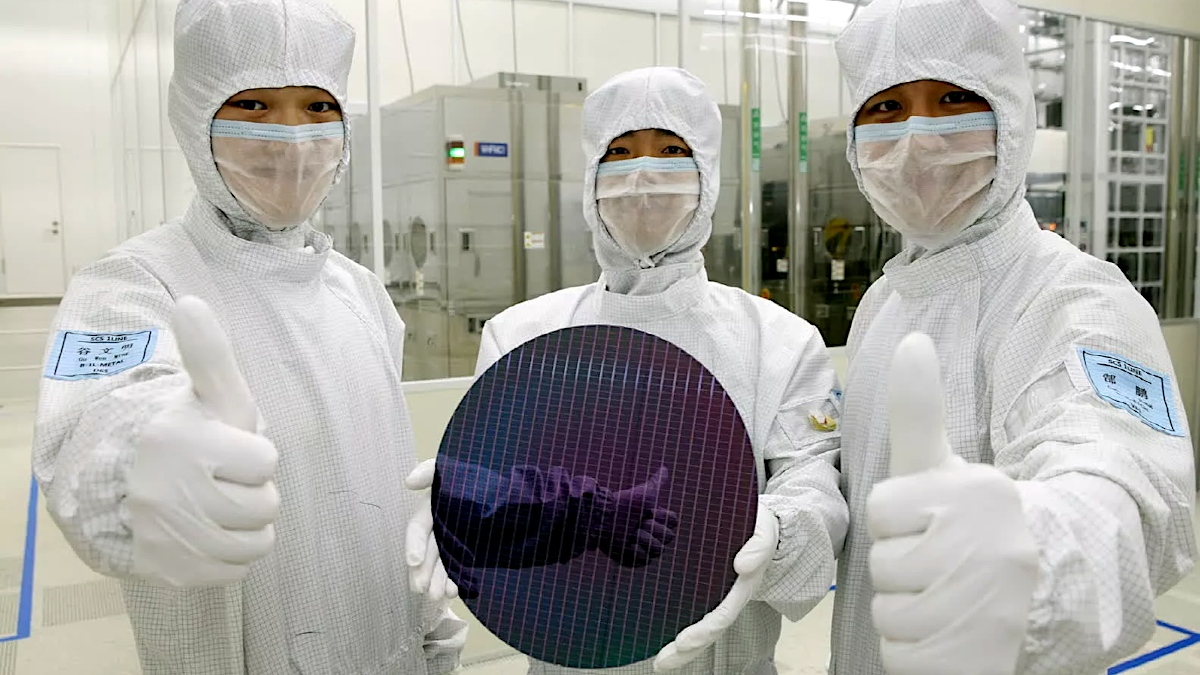
Samsung challenges TSMC. The new 2nm process is gaining momentum
Samsung noticeably accelerates in technological race. According to DigiTimes reports, the South Korean giant is increasingly aggressively seeking customers for 2nm GAA lithography. Internally, it is supposed to be a signal of progress Exynos 2600which shows that the problem of low yields is beginning to be brought under control. Now, however, the company’s focus is shifting towards AI systemswhere margins and volumes are much more tempting.
However, the latest Snapdragons will be manufactured on 2 nm from TSMC
Analysts from South Korea pay attention to Samsung’s announcement about “130% increase in orders for the 2nm GAA node”interpreting it as a clear signal of self-confidence in conversations with potential clients. This may mean readiness to secure large contracts before production is fully launched.
The next piece of the puzzle is the factory in Taylor (USA). This plant was originally designed for 4 nm production, but there are more and more indications that Samsung also wants to launch 2 nm there. It’s a move that on the one hand is intended to help undermine TSMC’s dominanceand on the other hand, it fits into Washington’s political expectations regarding locating the best technologies in the USA. The test launch of the EUV equipment is scheduled for March this year, which suggests a very fast pace of work.
The term appears in reports “big clients”but there was no reference to Qualcomm. This is so surprising that more and more companies are starting to see Samsung as a real alternative to TSMC. However, the lack of mention of potential cooperation with the Snapdragon manufacturer may have a simple explanation. Latest layouts Snapdragon 8 Elite Gen 6 (Pro) are to be produced exclusively by process this year TSMC N2P (2nm class), which suggests that talks between the two companies have either not started yet or are stuck at a very early stage.
One thing is certain – Samsung does not intend to give up and is doing everything to mark its presence in the 2 nm segment faster than many expected. If the pace is maintained, the chip manufacturing market may soon become much more competitive.