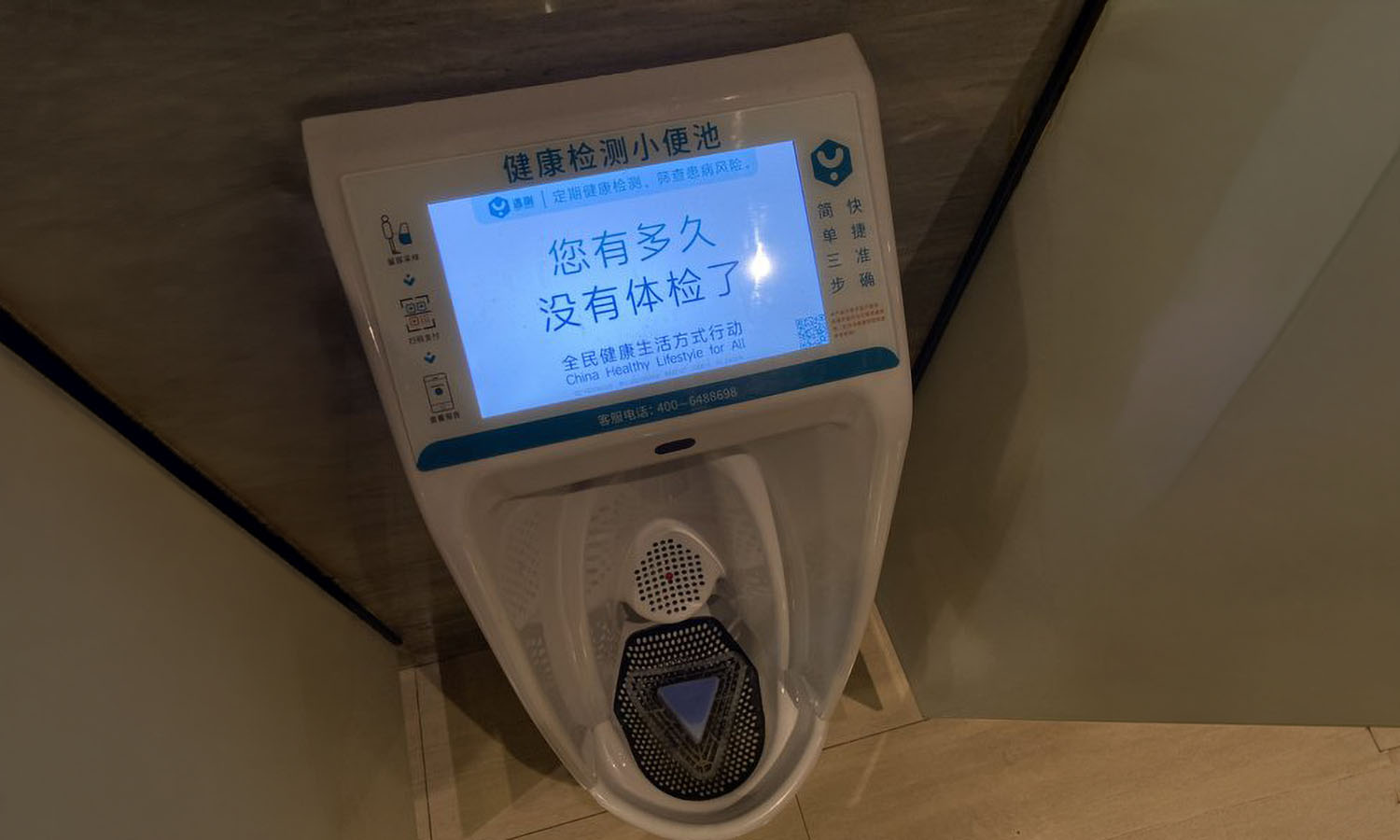
Smart urinals in China. They analyze urine and detect diseases
A quick examination in a public restroom
Documentary film director Christian Peterson-Clausen described the operation of new equipment in Chinese public toilets. In one of them he came across urinal equipped with a medical analysis system. He decided to test this solution on himself. He paid for the service 20 yuan (approx. PLN 11) via the WeChat platform. The payment goes to the private company that operates these machines.
Standard urine testing requires the use of microscopes and chemical reagents. Chinese urinals use built-in sensors and artificial intelligence algorithms. The machine checks glucose, vitamin C, creatine and white blood cell levels. This allows for early detection of kidney problems and diabetes. The results hit to the user’s smartphone within just a few minutes of using the toilet.
Doubts and limitations of new technology
These devices can currently only be found in China’s largest cities. These include, among others Beijing and Shanghai. The manufacturer plans to assemble the machines throughout the country. This expansion sparks discussions about data security. The WeChat app collects a lot of information about its users. Combining medical results with your profile in the messenger is privacy risk.
The system’s sample testing methods remain a trade secret. Users often question the reliability and accuracy of the presented results. The main problem is the issue of appropriate disinfection of medical equipment. Contamination left by previous people can completely distort the analysis. The availability of the service is also a serious limitation. Urinals are only located in public men’s restrooms.

Additional early warning system
New technologies will probably never replace a traditional visit to a doctor. The results from the smart urinal are for warning purposes only. Quick information about anomalies in the body can encourage the patient to complete diagnostics.
Christian Peterson-Clausen considers this form of control to be very comfortable. This technology resembles the operation of modern sports watches. Smartwatch notifications often save lives and increase the number of visits to clinics.