Samsung is falling apart. Galaxy S26 with a worse screen
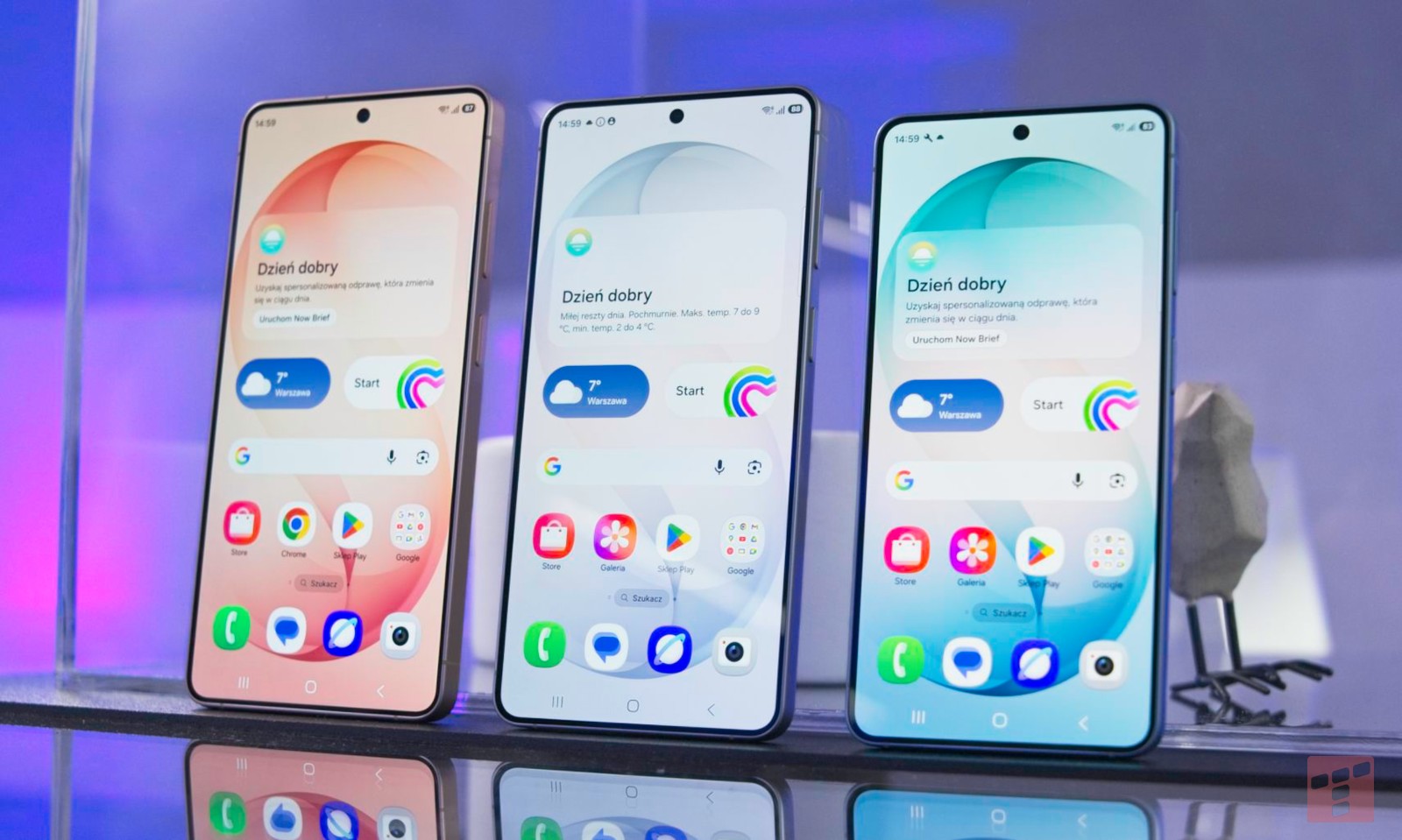
During press briefings accompanying the launch of the Galaxy S26, Samsung informed the media that all three models in the series (Galaxy S26, S26+ and S26 Ultra) received native 10-bit panels. This would be a significant improvement over the previous generation Galaxy S25, which used 8-bit displays with FRC technology (Frame Rate Control) only simulating 10-bit depth.
The difference between these standards is quite large. An 8-bit panel displays 16.7 million colors, while a true 10-bit panel offers as much as 1.07 billion colors, which translates into the elimination of the banding effect, i.e. visible bands with smooth color transitions, and significantly better color accuracy. True 10-bit screens are rare, however – Honor Magic 7 or OnePlus 15 have such a panel, but most even flagship smartphones still use a hybrid solution.
Reports about 10-bit screens appeared unofficially before the premiere of the Galaxy S26 series, which raised eyebrows. great revival among the brand’s fans. However, it turns out that Samsung used older technology.
Galaxy S26 with a screen like the older generation
According to the SamMobile portal, a Samsung spokesman contacted the editorial office to correct previous information and confirm that the Galaxy S26 Ultra – like other models of the series – has 8-bit panel. Everything points to Samsung still uses FRC technologywhich allows you to reduce the banding effect and partially imitate the advantages of a native 10-bit screen.

However, the matter is not fully clarified: the SamMobile portal notes that it has received conflicting information from various Samsung representatives. The situation is developing, but at this point it is safest to assume that none of the Galaxy S26 models does not offer a native 10-bit display.
There is another problem with the Galaxy S26 screens…
Adding fuel to the fire is Ice Univerce, an industry leakster and commentator, personally a fan of Galaxy smartphones. On the X platform he wrote that the 8-bit panel in the Galaxy S26 Ultra is not a major problem. Although it’s not native 10-bit hardware, 8-bit with dithering to simulate 10-bit is still better than standard, native 8-bit. However, there is another problem.
What I’m most concerned about now is the overall quality of the display. I have received dozens of reports and conducted many tests myself, but I would rather wait before reaching a final conclusion
Leakster also encourages you to go to a store where the Galaxy S26 Ultra is already available and compare it with the previous generation model. It’s supposed to be a problem text rendering at 2K resolution, differing between Galaxy S25 Ultra and S26 Ultra. Ice Univerce suggests that due to the new privacy mode, the screen on the Galaxy S26 Ultra series has different pixel structurewhich results in it being weaker than in its predecessors angular visibility.
Varun Vats also adds his two cents, writing on the X:
I noticed a huge difference between the Galaxy S26 Ultra and S25 Ultra displays. After using the S26 Ultra for some time, my eyes felt tired and slightly uncomfortable.
The difference in image quality can be seen in the attached photos. Older model – razor image, new model – pixelosis.
Hey Galaxy Fam 👀
I noticed a huge difference between the Galaxy S26 Ultra and S25 Ultra displays. After using the S26 Ultra for a while, my eyes felt tired and slightly uncomfortable.
Note: Both phones were set to 2K resolution, and Privacy Mode was turned OFF on the S26… pic.twitter.com/XbN1DzqiyU
— Tarun Vats (@tarunvats33) March 2, 2026