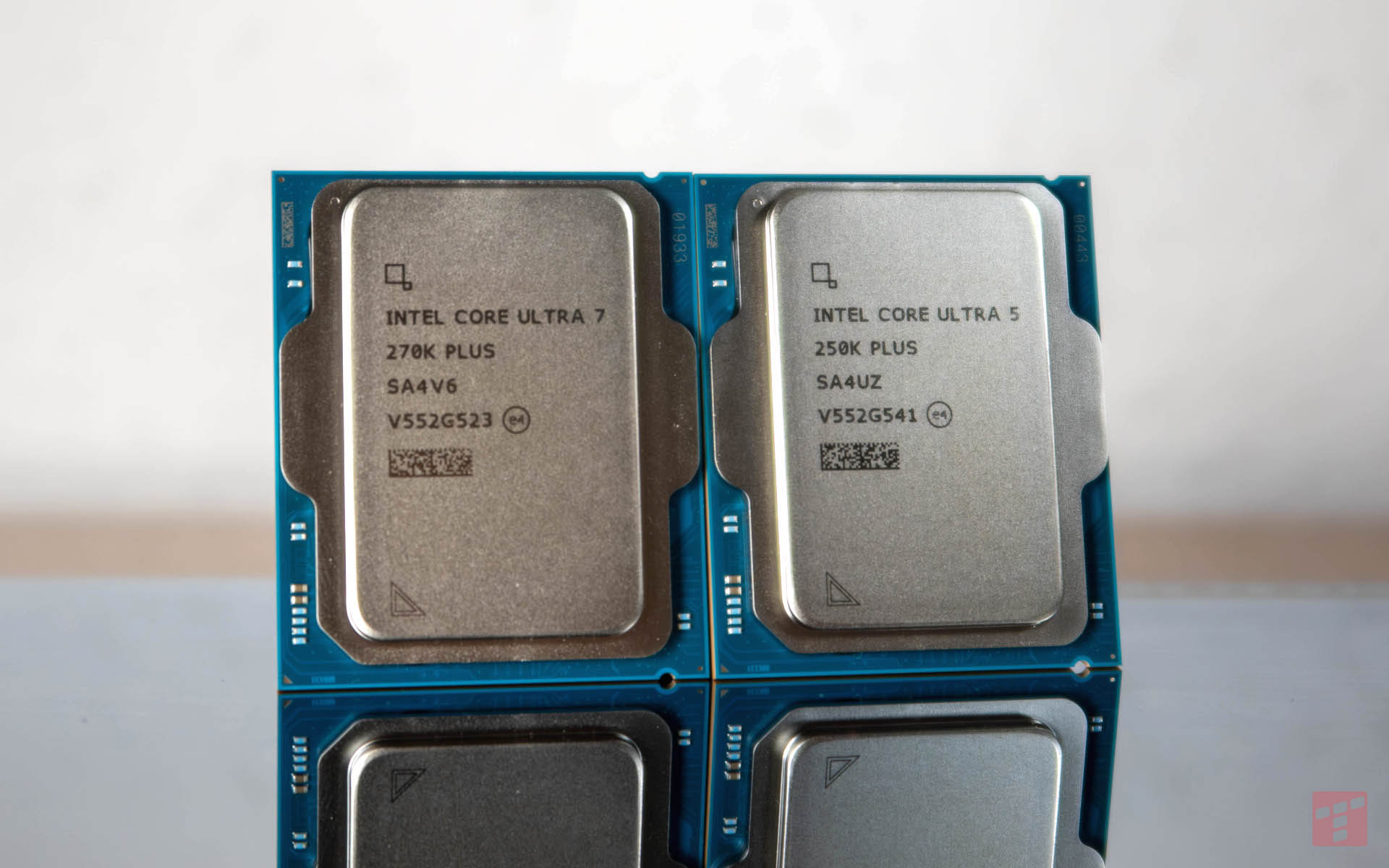
Intel surprised positively. These are their best gaming chips (Test)
The first processors Intel Arrow Lake debuted at the end of 2024, which is when the platform appeared LGA 1851. It was a change to new architectures and lithography. However, the overall response from reviewers and consumers was rather negative – the Blues significantly improved power consumption and temperatures, but performance did not increase much. In some applications, Core Ultra 200S performed better, but There was also no shortage of scenarios where they were worse. We’re talking about games in particular.
The main changes are more cores, higher clocks and… lower prices
For two years, Americans focused mainly on the mobile market. Now, however, it’s time to refresh the desktop offer. All thanks to a small family Intel Arrow Lake Refreshwhich will be available in stores soon. It will consist of only two models Core Ultra 7 270K Plus and Core Ultra 5 250K Plus. We’ve had both for some time and compared them to their predecessors and competitors to answer the question “Is it worth bothering with them?”.
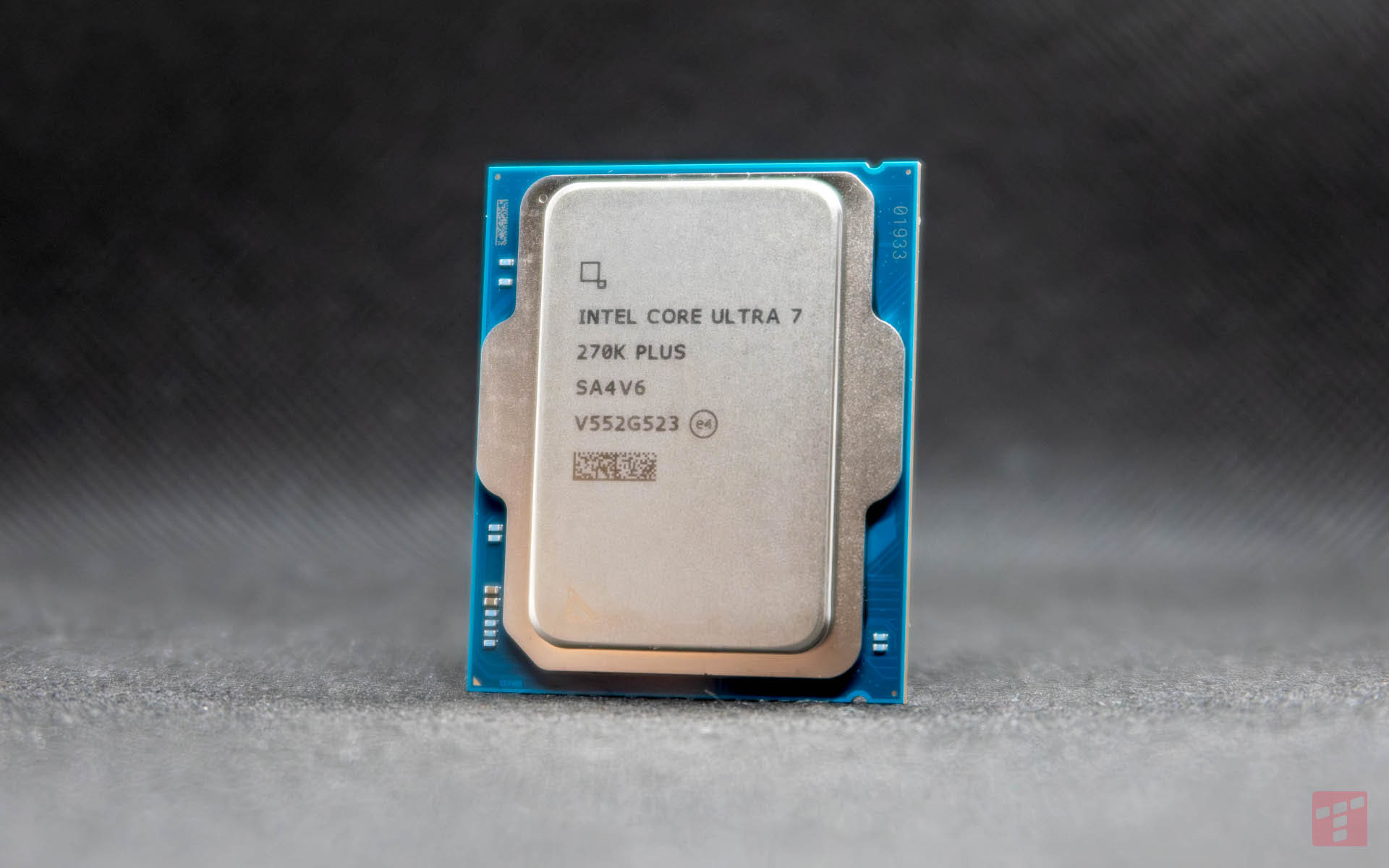
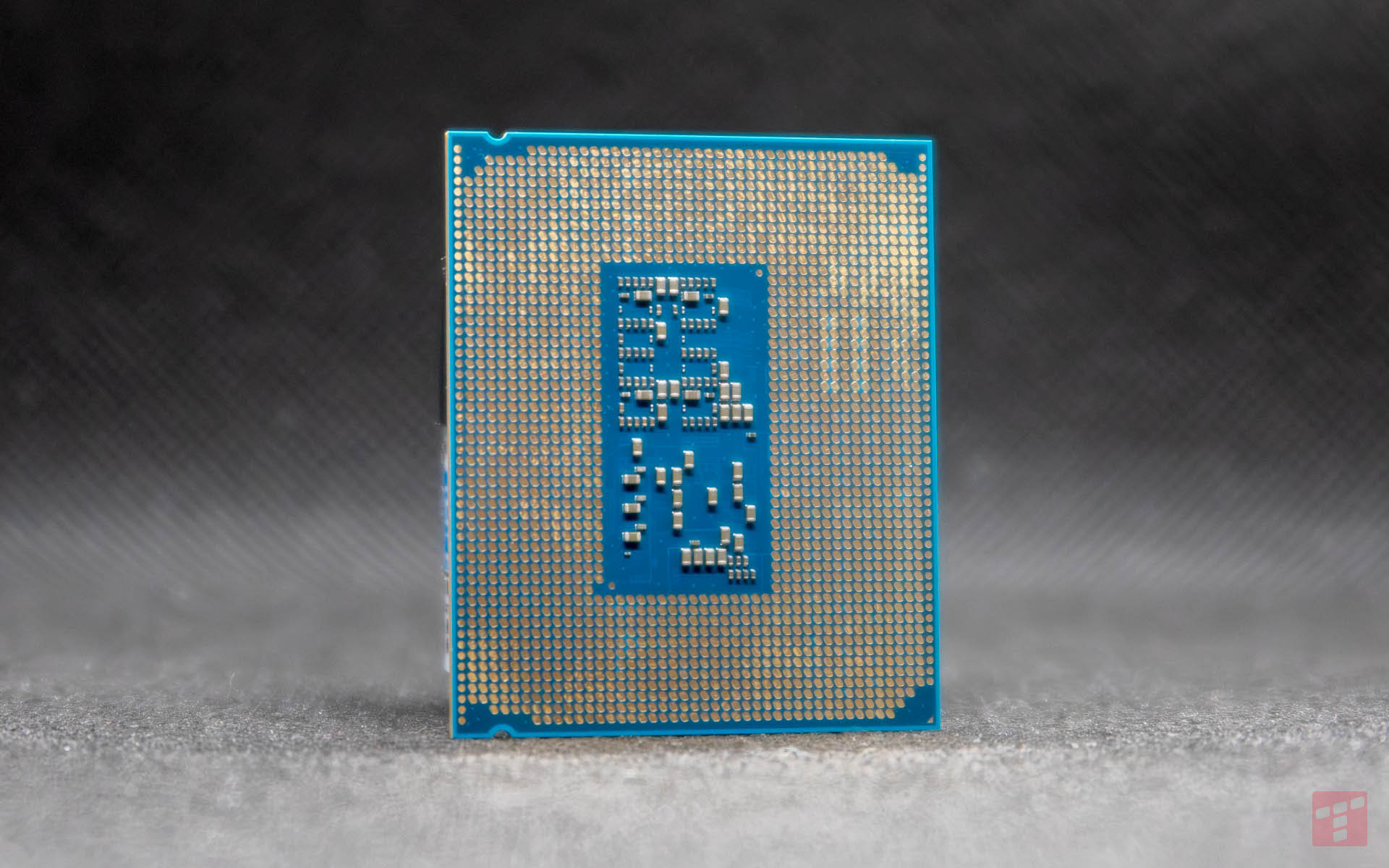
First of all, it should be noted that there is no revolution here – these are more minor fixes. Large, high-performance cores are still architecture Intel Lion Coveand small, energy-saving ones Intel Skymont. The lithographic process has also remained unchanged, because the main computing part uses TSMC N3B (3nm class). However, the specification of the CPU itself has changed – we get more cores and a better memory controller.

In addition, the D2D clocks (+900 MHz) and NGU clocks (up to 300 MHz) have been significantly increased. The TDP remained unchanged. Americans also boast major software changesand the first place is Intel Binary Optimization Tool (iBOT). But now I can tell you that the latter is more of a marketing hype than a real change.
| Core Ultra 9,285K |
Core Ultra 7 270K Plus |
Core Ultra 7,265K |
Core Ultra 5 250K Plus |
Core Ultra 5,245K |
|
| Configuration | 24R/24W | 24R/24W | 20R/20W | 18R/18W | 14R/14W |
| Timing | 3.7 – 5.7 GHz | 3.7 – 5.5 GHz | 3.9-5.5 GHz | 4.2 – 5.3 GHz | 4.2 – 5.2 GHz |
| Memory Cache |
40 MB | 40 MB | 36 MB | 30 MB | 26 MB |
| Lithography | 3nm | 3nm | 3nm | 3nm | 3nm |
| Multiplier | Unlocked | Unlocked | Unlocked | Unlocked | Unlocked |
| Controller DDR5 |
up to 6400 MT/s | up to 7200 MT/s | up to 6400 MT/s | up to 7200 MT/s | up to 6400 MT/s |
| Socket | LGA 1851 | LGA 1851 | LGA 1851 | LGA 1851 | LGA 1851 |
| MSRP | $589 | $299 | $394 | $199 | $309 |
What deserves the most attention is the colossal reduction in suggested prices. Unfortunately, the NPU and iGPU remain unchanged. In the first case, we are still talking about 1.6 GHz and 13 TOPS, while in the second case we are talking about 2 GHz and 4 Xe cores. In other words, it’s good that they are there – “in an emergency” – but they still don’t offer much. It’s a pity, because Intel has had more efficient solutions for a long time.

Test platform and methodology
The charts include the Blue flagship and counterparts from the previous generation. In addition, I reached for AMD’s price competitors and added probably the most popular (and best) processors typically for gaming. Of course, this involved some platform juggling – different motherboards and RAM modules. In the last case, each CPU received the memory suggested by the manufacturer, except for AMD where I focused on a faster solution to maintain a 1:1 ratio with IMC.
Each test was performed 3 to 10 times and then the average was taken. This methodology allows you to notice and eliminate possible anomalies and errors. The test platform looked like this:
- Motherboard: MSI Z890 Tomahawk / BIOSTAR X870E Valkyrie
- RAM: G.SKILL Trident Z5 RGB 7200 MT/s CL 34 / Kingston Fury 6400 MT/s CL 36 / Patriot Viper Elite 5 Ultra 6000 MT/s CL 28
- Graphics card: GIGABYTE AORUS GeForce RTX 4080 16 GB MASTER
- SSD: ADATA XPG GAMMIX S70 Blade
- Charger: Cooler Master MWE Gold V2 1050 W
- Case: Fractal North XL
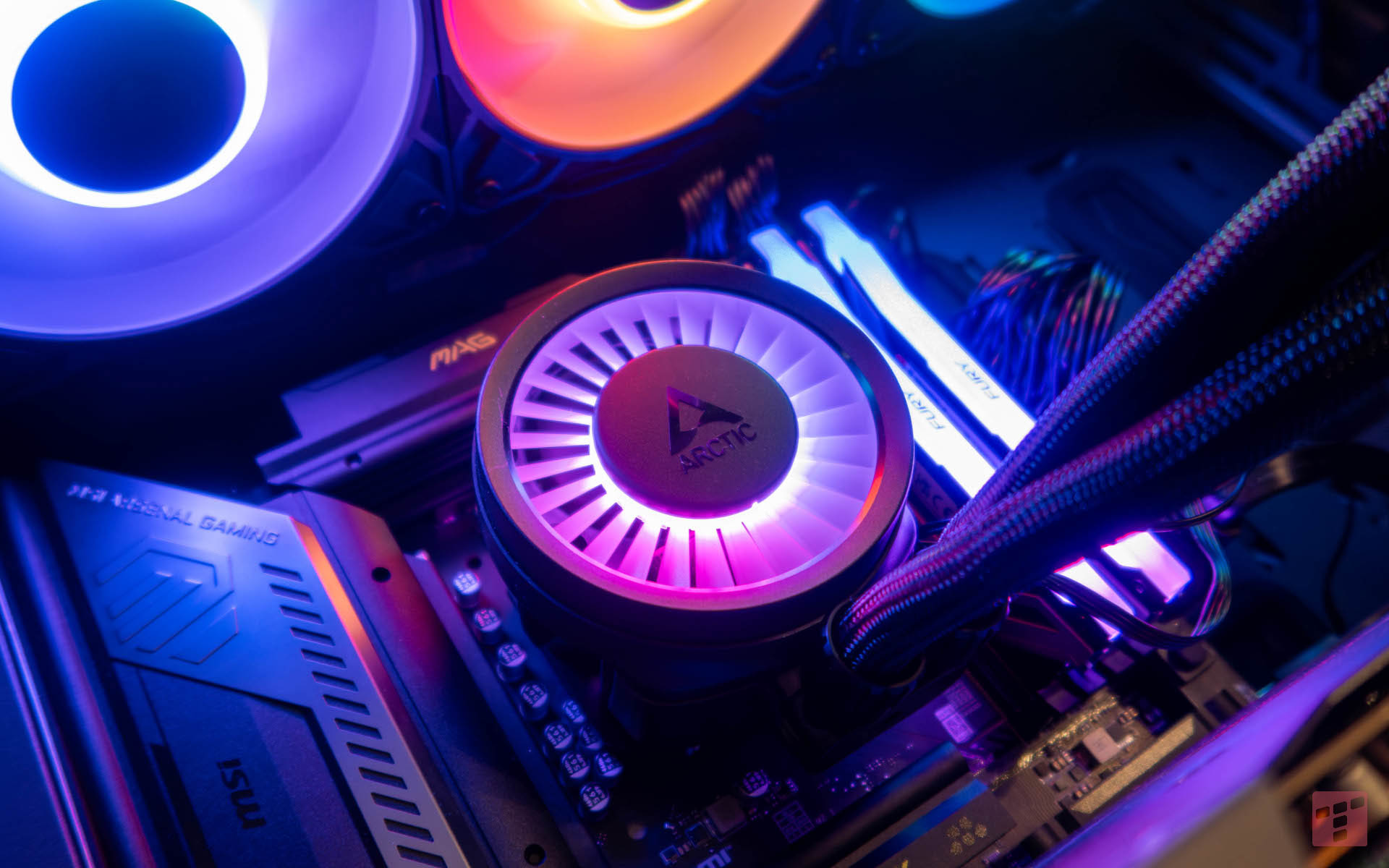
- Cooling: Arctic Liquid Freezer III 360 Pro A-RGB
- Thermal paste: SilentiumPC Pactum PT-4
- Operating system: Windows 11
Synthetic tests
To start with, we take a very popular test program, i.e Cinebench. With the refresh of the platform, we are already focusing on the newer 2026 release. We can choose from tests checking single- or multi-threaded performance with the result expressed in points, each measurement lasting about 10 minutes. We can compare the obtained result with the results of other users.


The single thread test clearly proves that AMD and Intel are going hand in hand in this generation. However, the second chart looks much more interesting – apparently Intel Core Ultra 7 270K Plus is Core Ultra 9 285K with a changed name. After all, both CPUs are solutions with 24 cores and 24 threads. However, the newer model offers faster RAM and higher clock speeds – the so-called “All P-Core Boost”, which gives it a minimal advantage. And the Core Ultra 5 250K Plus leaves no mark on the old Core Ultra 5because it has as many as 6 more cores.

3DMark in the CPU Profile scenario does not present any surprises – the processors are nicely arranged gradually in terms of the number of cores and maximum clock speed. This is a test typically based on physics, so it has less impact on games and more on programs and simulations.

In the case of Time Spy, which is clearly suited to gaming applications, there has been a clear reshuffle. And while the bottom line isn’t surprising, the podium is. It is worth noting, however, that the differences are minimal (between 1st and 4th position it is only 1.3%). So it’s hard to talk about a specific winner here when half the table was tied ex aequo. And why? Because few games are able to use 20 or 24 cores.
Practice tests
Of course, there will always be people who despise the results of even the best and most popular benchmarks. So we decided to check the processors also in more everyday applications. The first test is efficiency in packing and unpacking data archives using the free 7-Zip program.

The application makes use of all available cores and threads and is therefore well suited for testing processors. It is also sensitive to RAM settings and various instabilities. Thanks to this Intel is clearly in the lead – it not only offers 20-24 cores, while AMD has “only” 16 cores, but also supports 7200 MT/s, where Reds according to the specifications is up to 5600 MT/s (in our case 6000 MT/s).
What about games? Unfortunately, Blue still has no chance against AMD – 3D V-Cache memory provides too many benefits. In almost every title, except perhaps the heaviest strategy and simulation games, the Ryzen 9000X3D still outperforms. However, remember that they are also much more expensive. Looking at the MSRP of the Core Ultra 200S Plus series, Intel has clearly decided to attack the lower segment. This is why a more fair comparison to regular Ryzen 9000s. And here the Blues have a noticeable advantage.

I just don’t really know how to evaluate Intel Binary Optimization Tool. Americans pay a lot of attention to this, and for me this is it drink some water. Currently only listed 12 games and 1 benchmarkand after enabling optimization, you must restart your computer for the changes to take effect.

As if that wasn’t enough, in the titles I checked (Hitman 3, Cyberpunk 2077, Assassin’s Creed Mirage) the increases were symbolic. We are talking here about values within the measurement error – 1-3%, i.e often 1-2 FPS. It was slightly better in Hogwarts’ Legacy, around 5%. Intel claims that you can gain up to 22% in Shadow of the Tomb Raider but… why? This is a game from 2015, any newer processor will handle it without iBOT.
Temperatures and power consumption
We used a program for measurements AIDA64. The processors were operated at the minimum possible voltage, which ensured 12 hours of stable testing. The temperatures in the charts are maximum values.

Once again, no surprises – Core Ultra 200S Plus is warmer than Core Ultra 200S because it has more cores and higher clocks. Despite everything, they are still easier to cool than Ryzen 9000X3D systems, because there is no tile with 3D V-Cache. However, these are not hot CPUsand Arrow Lake Refresh can be easily tamed even without the help of water cooling.

In terms of power consumption, Intel still fares worse than AMD. It must be emphasized, however, that we are talking here about extreme situations such as Cinebench or Blender. In games, surfing the web or watching movies and series it will be much less.

Summary
Refreshing the offer by both Intel and AMD rarely arouses greater emotions. Reviewers and consumers are always hungry for new technologies – lithography, architecture, and support for new standards. This time, however, Intel surprised positively. Instead of the classic +100-200 MHz, in both cases we get four cores more.
There are also changes under the hood that are not visible at first glance. The Die-to-Die clock (which affects latency) has been increased from 2.1 to 3.0 GHz, and SA/NGU is a jump from 2.6 to even 3 GHz. This is complemented by better IMCsupporting DDR5 7200 MT/s modules even if they are not CUDIMM. There is also support for CQDIMMbut it is now exotic and a song of the future.
All this translates into a noticeable jump in gaming performance. The fact that it is better than in the Arrow Lake series should not surprise anyone. But the Ryzen 9000 was also outdone by a few percent (although the Ryzen 9000X3D series can still sleep peacefully, probably until the premiere of Nova Lake). The Blues position their CPUs as more universal and this is visible in the case of programs.
Is it perfect? NO. First of all, the potential of third party liability insurance seems minimalthe factory offers the best right out of the box. Theoretically, it could be the fault of our samples or the platform, because even up to and including Intel 200S Boost on Core Ultra 7 270K Plus caused instabilitybut several colleagues reported similarly poor results. In our case, differences of 0.5-1.5% were a waste of space on the charts.
However, Intel Arrow Lake Refresh has a huge advantageespecially in the current market situation. The tested processors were priced damn well. They will be available in stores in just a few days March 26. Intel Core Ultra 5 250K Plus will cost $199and Core Ultra 7 270K Plus $299. This is at the current exchange rate and with Polish VAT approximately PLN 899 and PLN 1,359. This will be very hard to top. The only question is whether it is worth investing in LGA 1851 when LGA 1954 is already on the horizon?
-
Phenomenal price-performance ratio
-
Very good support for fast memories
-
Thunderbol 5 and Wi-Fi 7 support
-
They have iGPU and NPU
-
The AMD Ryzen 9000X3D series is still faster
-
These are the last steps for LGA 1851
-
Symbolic possibilities of third party liability insurance