Experts say it straight. There is no chance for price reductions
DRAM and NAND shortages won’t go away anytime soon. The latest forecasts indicate that availability problems may persist at least until the second half of 2027, and in a less favorable scenario even longer. It all depends on how the relationship between demand and supply will change in the following quarters. For now, however, there is little indication that the market pressure will ease in the near future.
Desktop computers, laptops, tablets and smartphones will continue to become more expensive
According to Counterpoint Research, the current rate of expansion of AI infrastructure remains so high that memory demand continues to grow and shows no signs of slowing down. The effects are already visible in prices. These were to increase by over 180%, which shows how deep the problem of shortages is and how tense the situation on the supply side is becoming.
Importantly, interest is not limited only to the latest solutions. Older standards such as DDR4 also remain in play and are still needed in many server and industrial applications. This further complicates the situation for manufacturers, who must divide production capacity between different market segments.

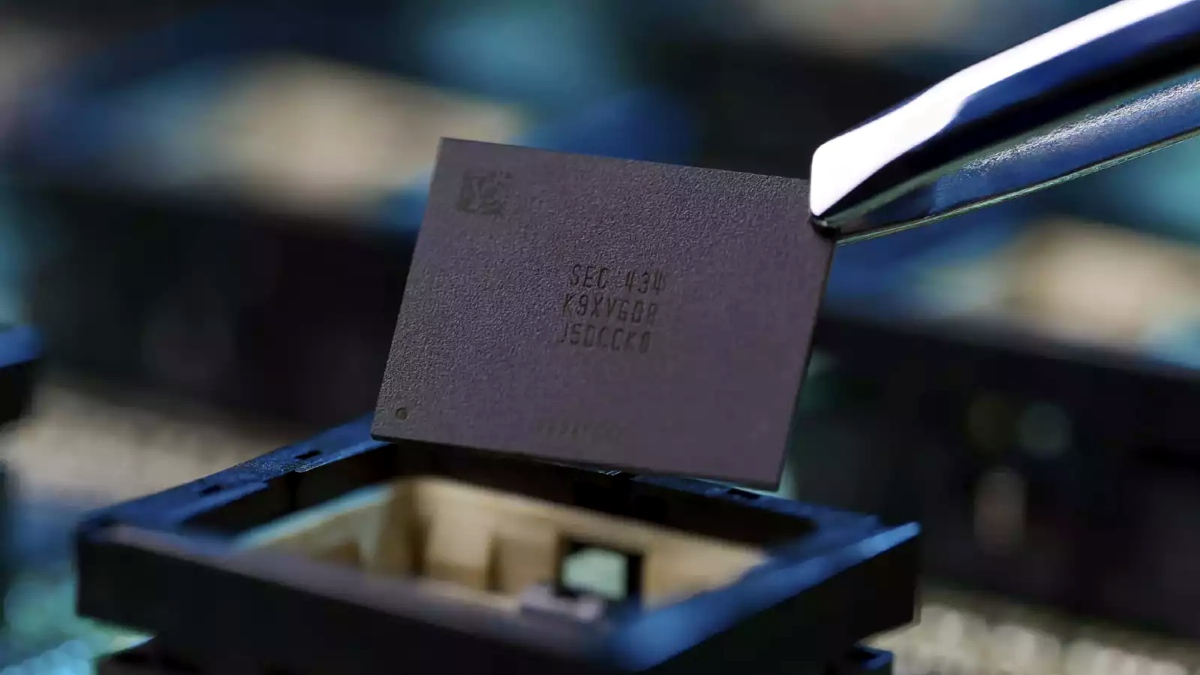
Analysts point out that since the second half of last year, the artificial intelligence industry has become the most important customer for market leaders – Samsung, SK hynix and Micron. For memory manufacturers, the choice is quite simple. It is most profitable to serve customers who order the largest volumes and provide the highest margins, and this negatively affects the consumer segment.
Of course, new factories and production lines are already being built, but it takes many months (and sometimes years) to launch them. Especially since the next generations of AI architectures will rely even more heavily on efficient and capacious memory subsystems, which means that the role of DRAM will constantly increase. For example, the NVIDIA VR200 system can work with up to 1.5 TB of LPDDR5X RAM in the SOCAMM format.
In other words, both RAM and SSD modules – and therefore the desktop computers, laptops, tablets and smartphones that use them – will continue to become more expensive. Worse still, many smaller companies may go out of business altogether.