Customers are returning the Galaxy S26 Ultra. Samsung’s innovation causes problems
Privacy at the expense of clarity
Samsung Galaxy S26 Ultra received an impressive 6.9-inch screen in which the manufacturer implemented an innovative function – Private display (Privacy Display). This solution works directly at the hardware level, not as a simple software filter. The matrix physically combines the “narrow” and “wide” pixels it serves changing the direction of emitted light. As a result, the image remains fully legible only to a person holding the phone straight ahead, while looking from the side makes it very difficult to read the displayed content.
This extremely advanced light control has brought some benefits, however side effects. Laboratory tests and opinions of first buyers quickly showed decrease in maximum brightness compared to last year’s model, Galaxy S25 Ultra.
Samsung officially commented on these allegations in a statement to TechRadar. The Korean company confirmed the existence of differences in brightnessnoting that this phenomenon occurs mainly at certain angles at maximum backlight levels. However, the manufacturer acknowledges this effect completely negligible in everyday use.
Most experts and users seem to accept this, valuing protecting sensitive data over a few extra nits of brightness at peak moments. But it turns out that it is not the decrease in luminance that is the biggest concern of owners of this model.
Screen
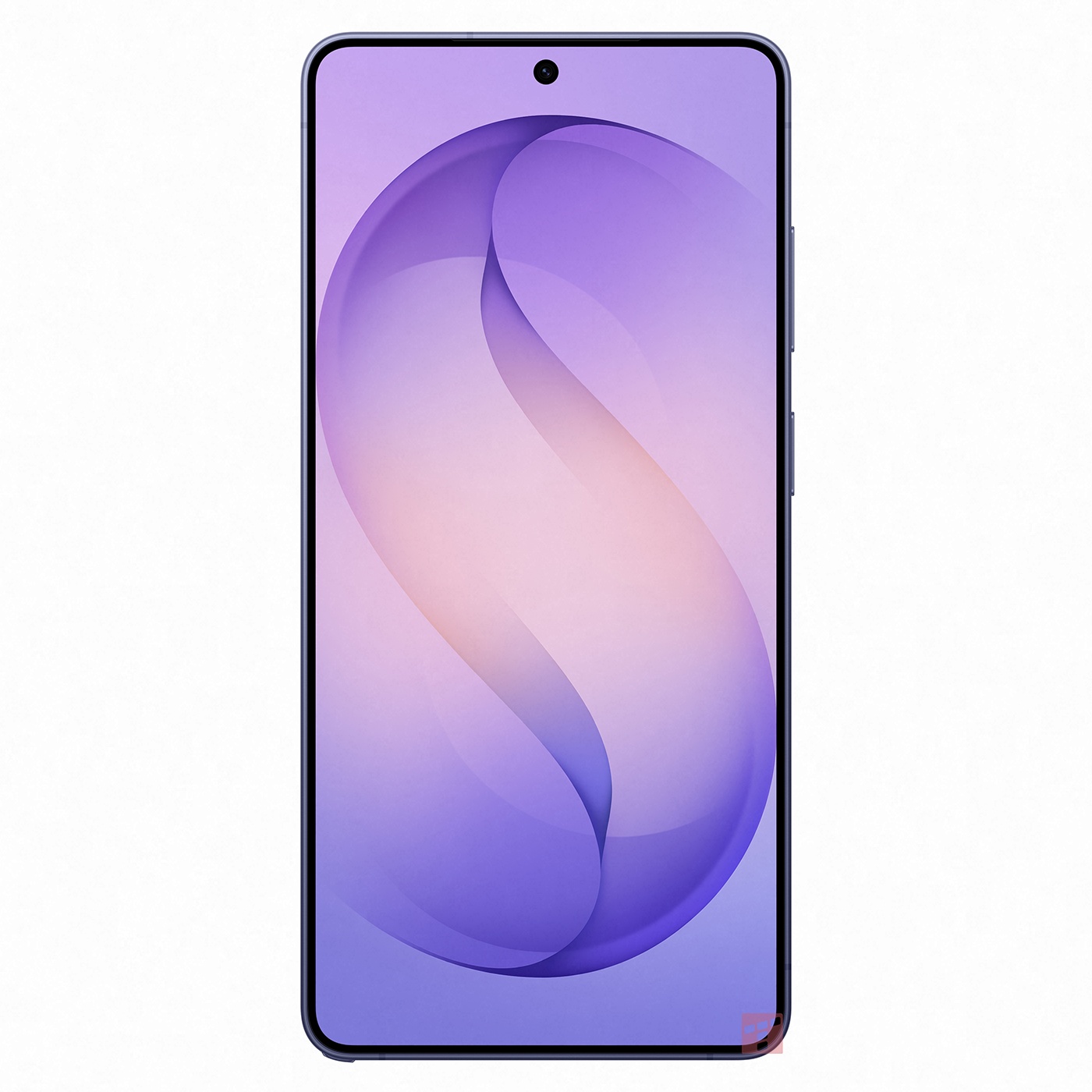
6.90″ Dynamic AMOLED
RAM
16GB
Processor
4.74GHz
Apparatus
200 Mpix
Battery
5000mAh
Built-in memory
1000 GB
See more
Serious health conditions and device returns
Reports appearing on message boards such as Reddit are definitely more disturbing. The number of threads in which Galaxy S26 Ultra buyers describe them is growing very unpleasant physical ailments accompanying the use of a new phone.
The symptoms most frequently reported by them are:
- quick and severe eye fatigue,
- pulsating headaches,
- dizziness and nausea
The matter is so serious that Some people regretfully decide to return the device to the store. Many of them emphasize that they do it with great reluctance, because they highly praise the other functions, the great camera and the overall performance of the smartphone. However, it is worth noting that the problem does not affect everyone. A significant group of buyers feel absolutely no discomfort. This suggests that it plays a key role here individual visual sensitivity.

Cause of problems: pixels or flickering?
Initially, the new Privacy Display feature was hailed as the main culprit. However, the matter is not so obvious. Some reports of health problems come from people who have completely disabled this option in the settings. Nevertheless, the specific physical structure of new pixels in the matrix may still have negative impact on the way light is emitted.
Currently, there is no definitive evidence linking the function itself with the described ailments. Technology experts point to another reason, well-known in the mobile industry.
The reported symptoms perfectly match the human eye’s response to screen flickering. The Galaxy S26 series uses a brightness control mechanism (PWM dimming) with a relatively low frequency, in this model only about 480 Hz. This value, especially at low matrix backlight levels in the evenings, is a guarantee of visual discomfort for sensitive people.
No alternative software solutions
Other smartphone manufacturers, including lower-priced brands, have been using it for a long time much higher PWM refresh rates or alternative methods of dimming the screen (like DC Dimming) to protect the eyes of its customers. However, Samsung has not decided to take such a step in its new flagship.
What’s worse, the system software lacks any built-in flicker reduction features. Affected users therefore have very limited room for maneuver. They cannot systemically eliminate the bothersome effect, which forces them to give up the equipment. While reports of ailments are still anecdotal evidence, their consistency and increasing number on forums may raise reasonable concern.