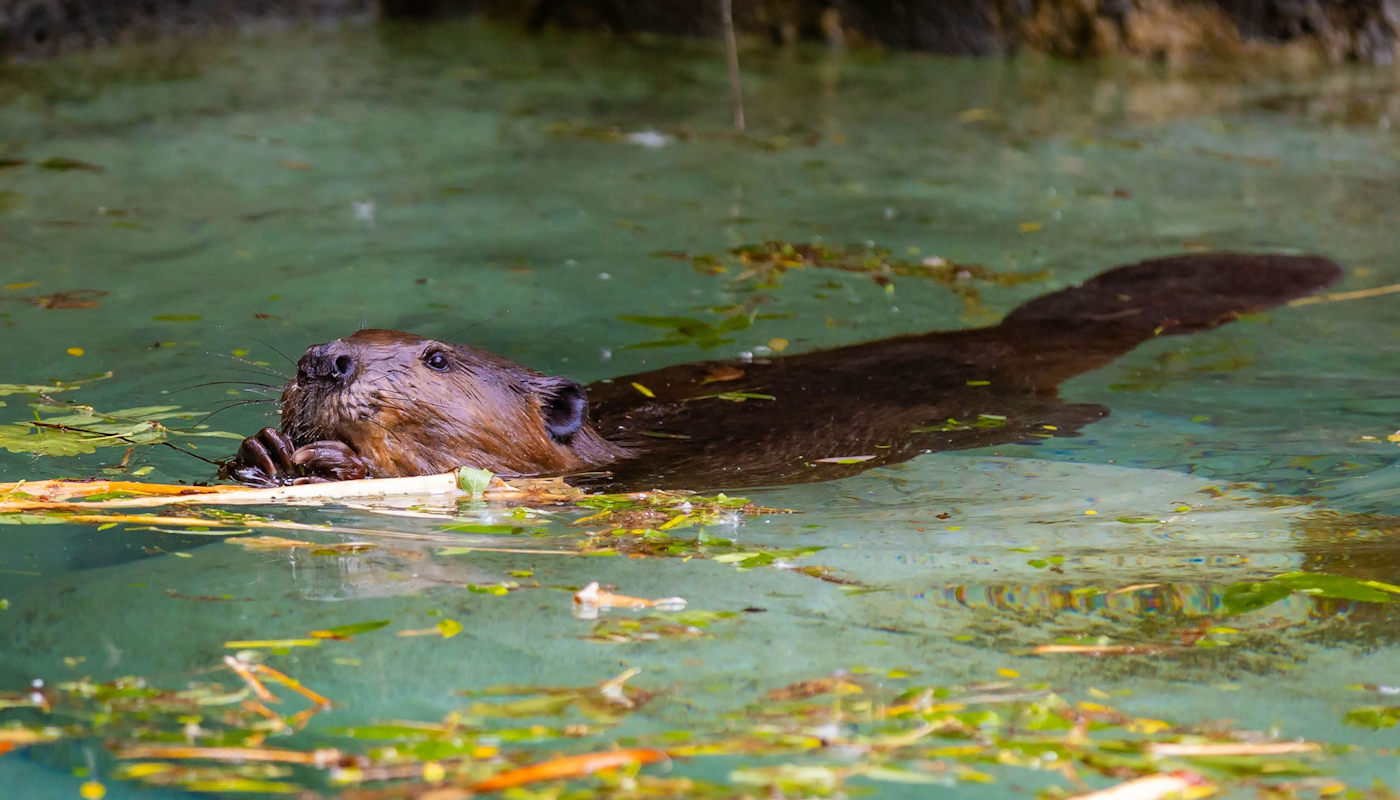
These animals are rebuilding England. And they do it effectively
The beaver does what no engineer can do
It does not need subsidies or tenders. He works around the clock, takes no time off and solves problems that human engineering has not been able to solve for decades. The European beaver returns to the landscape. IN The first fully licensed wildlife restoration operations are underway in the UK and beavers play the main role here. Importantly, these are not actions driven by sentiment, but there are tangible benefits for people.
The key mechanism is simple – the beaver builds dams that slow down the flow of water. Instead of flowing rapidly down the river and flooding villages, the water stops in the upper parts of the catchment area. It finds its way into systems of ponds and pools created by the animal for thousands of years. Effect? Lower flood peaks in the towns below. Research by hydrologists from the University of Exeter after years of observing wild beavers confirms that where these animals live, the risk of flooding significantly decreases.
But it doesn’t end with retention alone. Beaver pools filter pollutants and retain sedimentsbefore they reach lower-lying rivers. As a result, the water becomes cleaner. This translates directly into the costs of its treatment and the condition of water ecosystems. This is what happens coal storage in wet soils and rebuilding habitats for dozens of other species. One beaver triggers a whole chain of changes that would cost a fortune to recreate using other methods.
Scientists call beavers “the original water managers.” This is a species that, over millions of years of evolution, has developed exactly the mechanisms that we are desperately looking for today in the face of extreme weather phenomena. Droughts, torrential rains, flash floods. The beaver handles all this instinctively because it’s just the way he’s always done it.