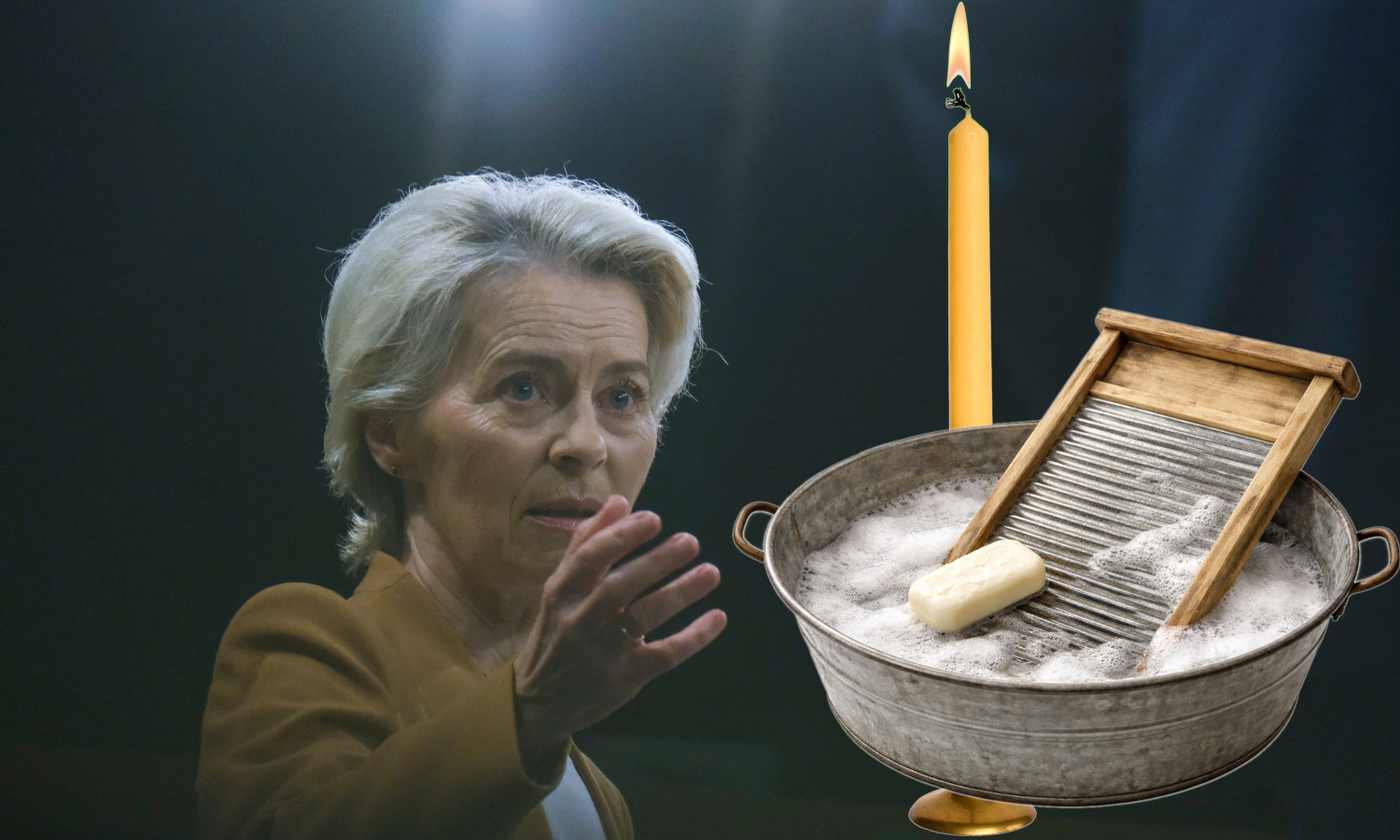
Buy a supply of candles and a grater. The EU wants you to use less electricity
And I know this looks like a complaint from an opponent of renewable energy and a Eurosceptic. However, this is only appearances: I am a great supporter of renewable energy sources and a huge Euro-enthusiast. The point is that we are now talking about a problem created by the European Union itself and its short-sighted actions. What’s more, the situation is so bad that the EU itself indirectly admits it.
Expensive electricity in Europe
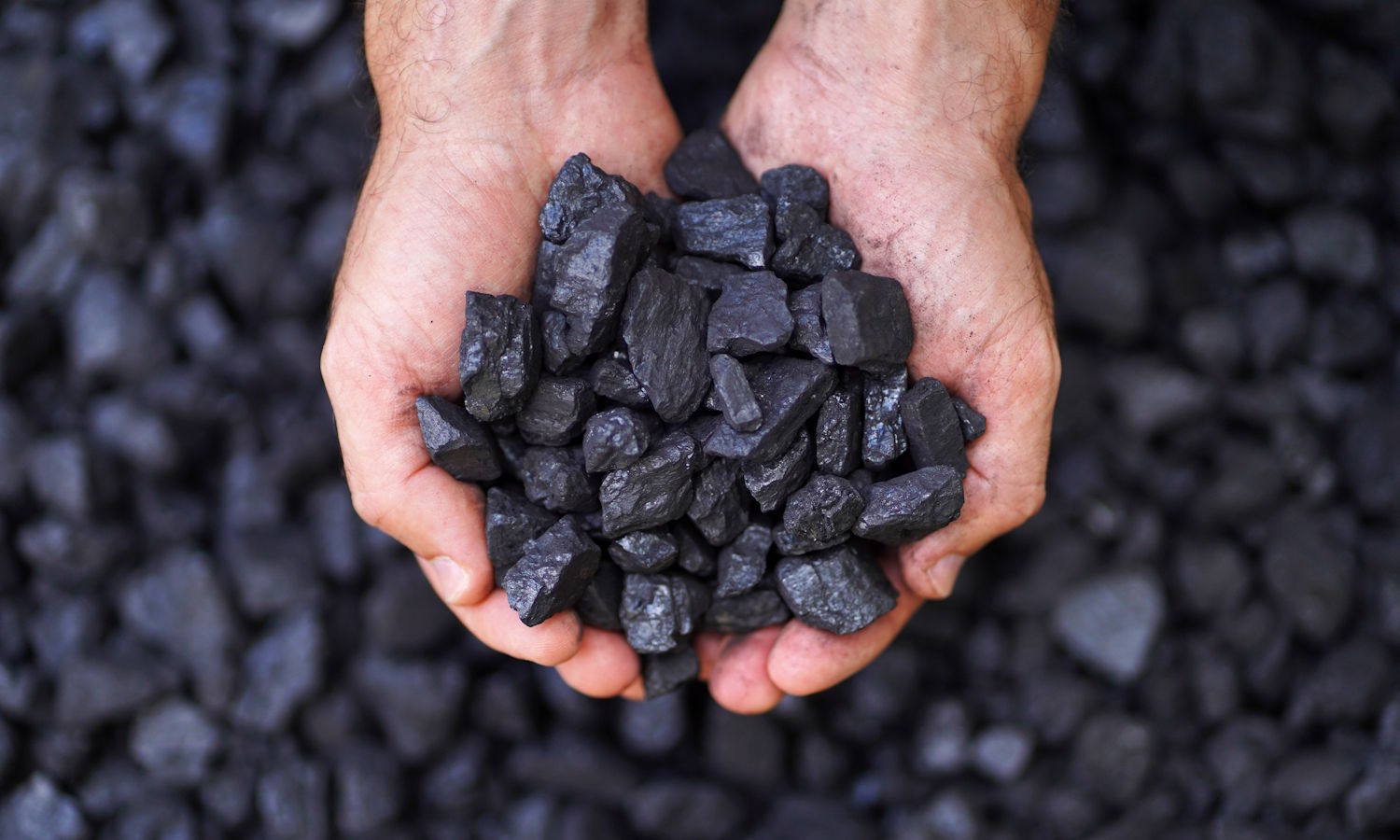
Years ago, EU authorities decided that the best method to popularize renewable energy would be the carrot and stick method. This means numerous reliefs and subsidies for power plants of this type and difficulties for conventional methods of electricity production, as well as the need to purchase the so-called ETS, i.e. CO₂ emission permits. And although renewable sources already account for a large percentage of energy production in the EU, coal-fired power plants still play a key role and are a guarantor of stable energy production in many countries, especially where nuclear power plants do not operate or there are too few of them. Therefore, electricity is simply expensive due to numerous fees imposed by the European Union itself.
;dc_lat=;dc_rdid=;tag_f.gif)
The effect is that European industry cannot compete with China or even the USA, among other things, because of high electricity prices. The spoonful of honey in this barrel of tar is the fact that the EU is not only aware of this, but is also starting to talk openly about it and take action to reverse this situation.
The EU has a plan, not a very brave one
Therefore, Ursula von der Leyen, President of the European Commission, announced that on March 19 she will come to us with a ready-made package of solutions. Reuters journalists found preliminary sketches and… you can see that European politicians see where the problem lies, but have not yet come to terms with how to solve it. Well, the plan assumes that the EU policy on electricity from conventional energy sources will not be abolished.
Instead, the EU wants individual countries to bear, at least partially, the consequences of ETS fees that are added to electricity prices. These are supposed to constitute as much as 11% of the value of the accounts. Additionally, the EU is to take a closer look at transmission fees, which amount to approximately 18% on an EU scale.
What if the plan fails?
What if this plan fails? It’s simple: the European Union will encourage us, consumers, to reduce our electricity consumption. How? This has not been explained. Of course, the titular purchase of candles and a washboard for doing laundry in the river is hyperbole. No sensible politician would go to such lengths. At least that’s what I hope.
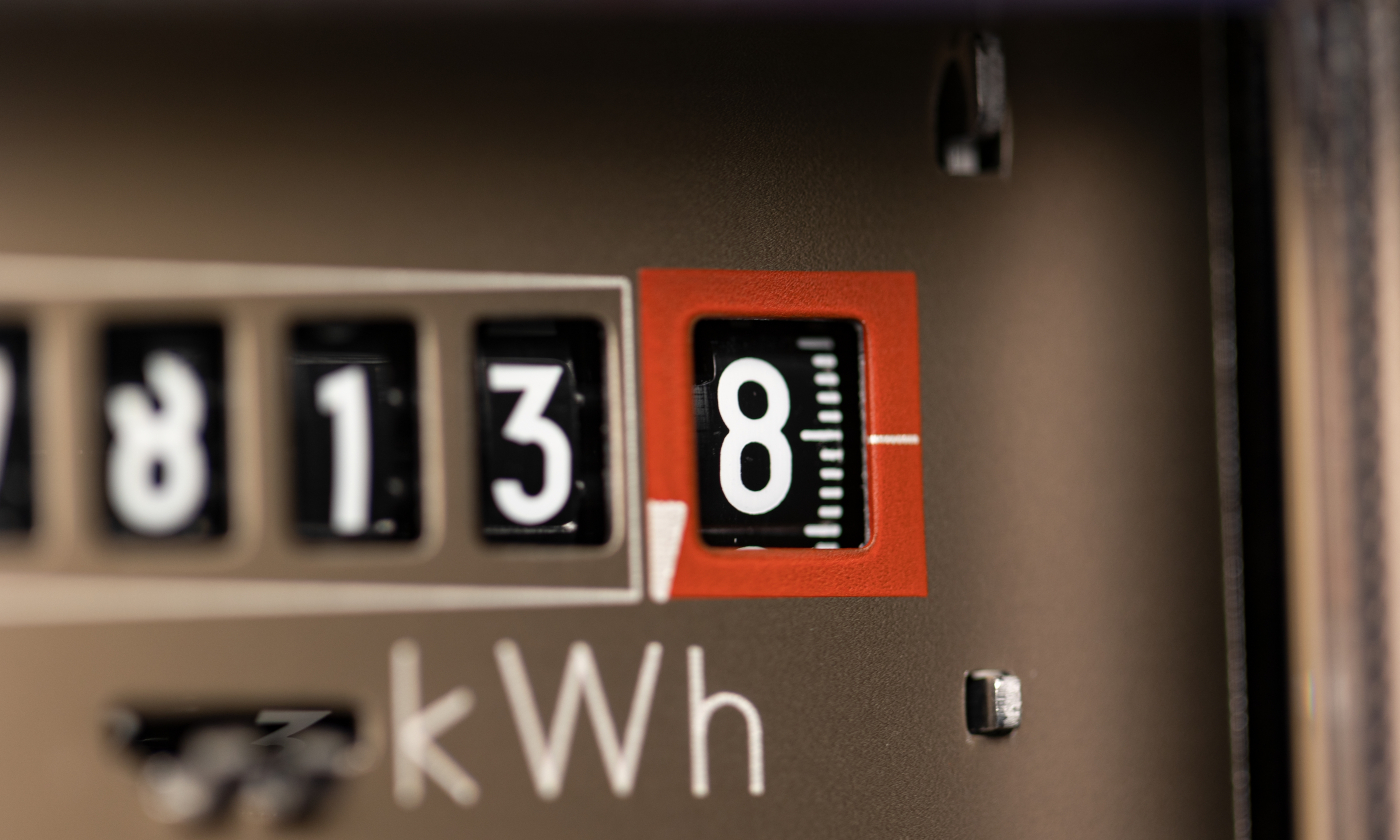
On the other hand, such an incentive is likely to have specific consequences. There is little chance that it will be based only on requests to turn off air conditioners, do laundry less often, or replace an electric car with a bicycle. Verbal encouragement alone will not bring the planned effect and measures will be necessary to discourage the use of energy.
The discouraging process itself may also raise doubts from the perspective of the EU’s actions. After all, she wants us all to have electric cars and a heat pump, and at the same time by promoting such energy-intensive solutions, she expects that our energy consumption will decrease. Of course, I am not criticizing electromobility or heat pumps themselves, but only the EU’s expectations regarding electricity consumption.
A simple solution that Europe is unlikely to undertake
However, I am somewhat worried by the fact that the EU, knowing the cause of the problem, does not intend to decide on a solution that can actually bring results, i.e. at least a temporary suspension of ETS fees for European industry and energy production.
Of course, I am not advocating the suspension of financing for renewable energy or nuclear energy projects. These should still be supported. My point, however, is to throw away the stick and focus on the carrot for clean and renewable electricity sources, because the stick was not so much beating coal-fired power plants over the head as it was the industry that uses their energy.
Let us remember that China does not care about any ETS, and yet it is a global leader in the development of renewable energy. This proves that the green transformation works even without charging electricity produced from coal with additional fees. Even if it extends the transition period we are currently in, it is important that at the end of this road there is not only clean energy, but also a vibrant European industry using this clean energy.
Of course, so far we have only dealt with a sketch of the project, which is to be presented in 10 days. Before it was leaked, I didn’t believe Europe would be able to recognize the problem. It is therefore possible that its final form will also turn out to be a surprise and steps will be taken that will actually bring relief to the industry.