Pastoral revolution in Poznań. There is no priest in the pulpit, but ChatGPT
The Poznań parish priest is trying to attract the faithful in new ways. He recently raised a large sum of money on the website zrzutka.pl and introduced a solution that could start a technological revolution in pastoral care, as reported by Gazeta Wyborcza.
The first Nano Chapel in Poland
39-year-old priest Radek Rakowski, a parish priest from Poznań, organized a pastoral room in a service premises on the ground floor of one of the blocks of flats. Fr. Rakowski intends to launch a Nano Chapel there, available 24 hours a day to everyoneas we learn from the Poznań edition of Gazeta Wyborcza.
The parish priest was inspired by Car Sharing and Nano Frogwhich is an unattended store that also operates 24 hours a day. His chapel would ultimately also operate in this mode and would allow the faithful to pray at any time, not only when services or holy mass are in progress. In addition, it is a place for meetings, conversations and drinking coffee together.
The entrance is controlled by the Fibaro system, so the faithful must install the related application, create an account by providing personal data and then verify themselves at the entrance, and then the smart lock will unlock the door.. The entire system was developed together with a company dealing with smart home solutions.
We go in and here is ChatGPT
The “brain” of the chapel is a specially trained ChatGPT model, the implementation of which took a whole year – in the pulpit there is a station with a screen and two mice (one to start the system and the other to operate the chatbot). The assistant will help you navigate around the Nano Chapel, will tell you how to make coffee, but you can also discuss faith issues with him, ask him to read the Bible or pray. Ultimately, according to Father Rakowski, this solution is to replace parish notice boards or posters. The language model has its limitations, but Rakowski apparently created a special algorithm that makes it work GPT will admit if it doesn’t know something and direct the user to the parish priest.
Also, this ChatGPT instance in the Nano Chapel is specifically trained not to create conflict over divisive topicsincluding politics and ideology, and uses uplifting language and avoids judgment.
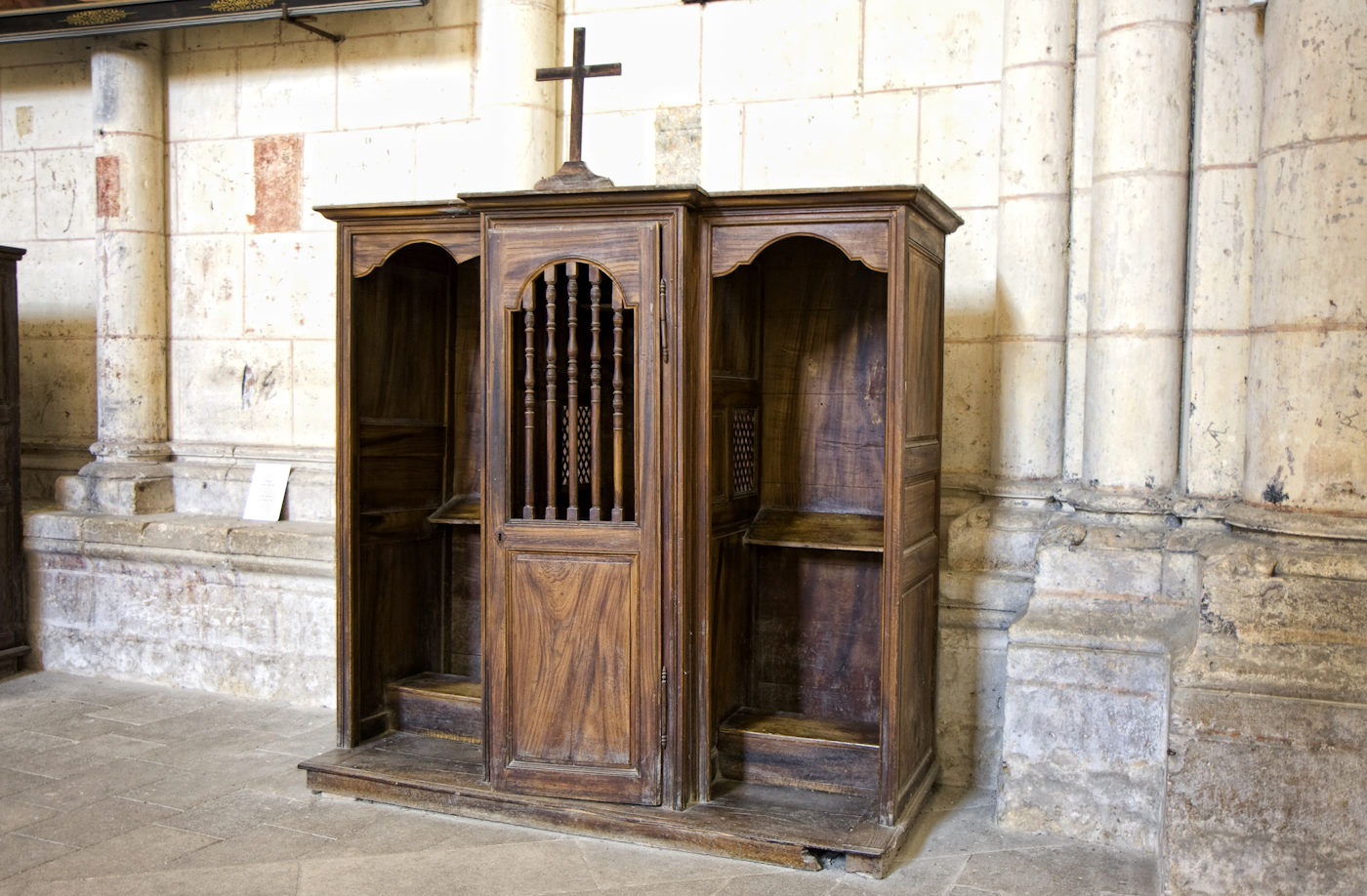
The Poznań parish priest is full of enthusiasm, but he can’t see dangers or obstacles to using ChataGPT as a pastoral assistant, although, for example, it cannot administer the sacrament of confession. The chapel is unattended and without security, although there is monitoring – this is how the priest wants the place to be built on faith and mutual trust.
Rakowski emphasizes that Polish parishes must be open to new technologies.