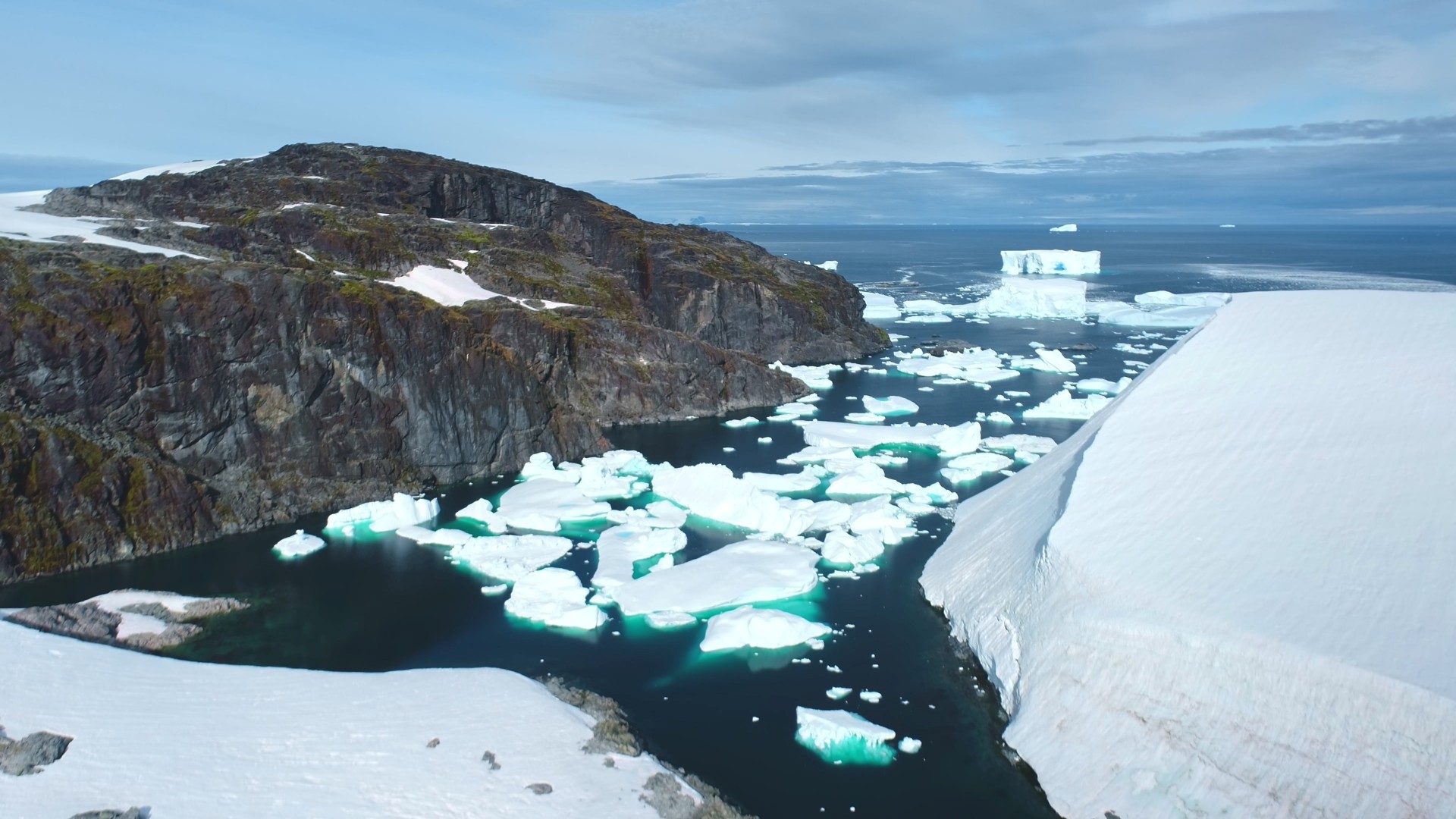
This Continent Is Emerging from Under the Snow. There Is Reason to Worry
The southern tip of the Earth may experience a real revolution in the coming years, which could affect the entire world. But these may not necessarily be the changes we are waiting for. It all depends on the pace of… melting snow and ice.
Antarctica is a large continent in the very south of the Earth that has been essentially uninhabitable for years, apart from a few polar bases. Human-induced global warming, on which there is scientific consensus (but some commentators know better), has made the continent is losing its ice surplus, which is leading to land upliftwhich straightens up like a person throwing off a heavy backpack. However, the latest reports suggest that the pace of these changes is surprising.
Too fast
The melting of Antarctic glaciers will have a huge contribution to future sea levels. It turns out, however, that depending on the time of the continent’s uplift, it will depend on how much it will affect the height of the world’s water.. In Poland, the areas around Elbląg and Nowy Dwór Gdański are at risk of flooding due to rising sea and ocean levels.
Researchers studying the melting of Antarctic ice looked at the ground beneath the snow cover. Their measurements showed that it was changing shape surprisingly quickly. The next step was to use 3D modeling to simulate the rise in global water levels under different scenarios. As described by sciencealert.com, The conclusions from these measurements indicate that if warming remains low, it will contribute to sea level rise of 1.7 meters by 2500, but this increase will be as much as 19.5 meters if we continue to allow global warming to increase.
Why is this effect possible? If the glacier retreat is greater than the level of uplift, it will simply end with more water will go to the oceans instead of being “stuck” on the continent. Furthermore, the study also confirms recent findings pointing to the problem of low-latitude islands and coastal areas that are expected to experience greater than average sea rise. Rising sea levels are already affecting low-lying islands such as those in Kiribati. Most of South Tarawa is less than 3 meters above sea level. Residents tried to fight the water with sandbags, but the elements won, flooding crops and homes.