They printed in 3D and sold them. Then the police knocked
Undetectable weapons and 3D printing
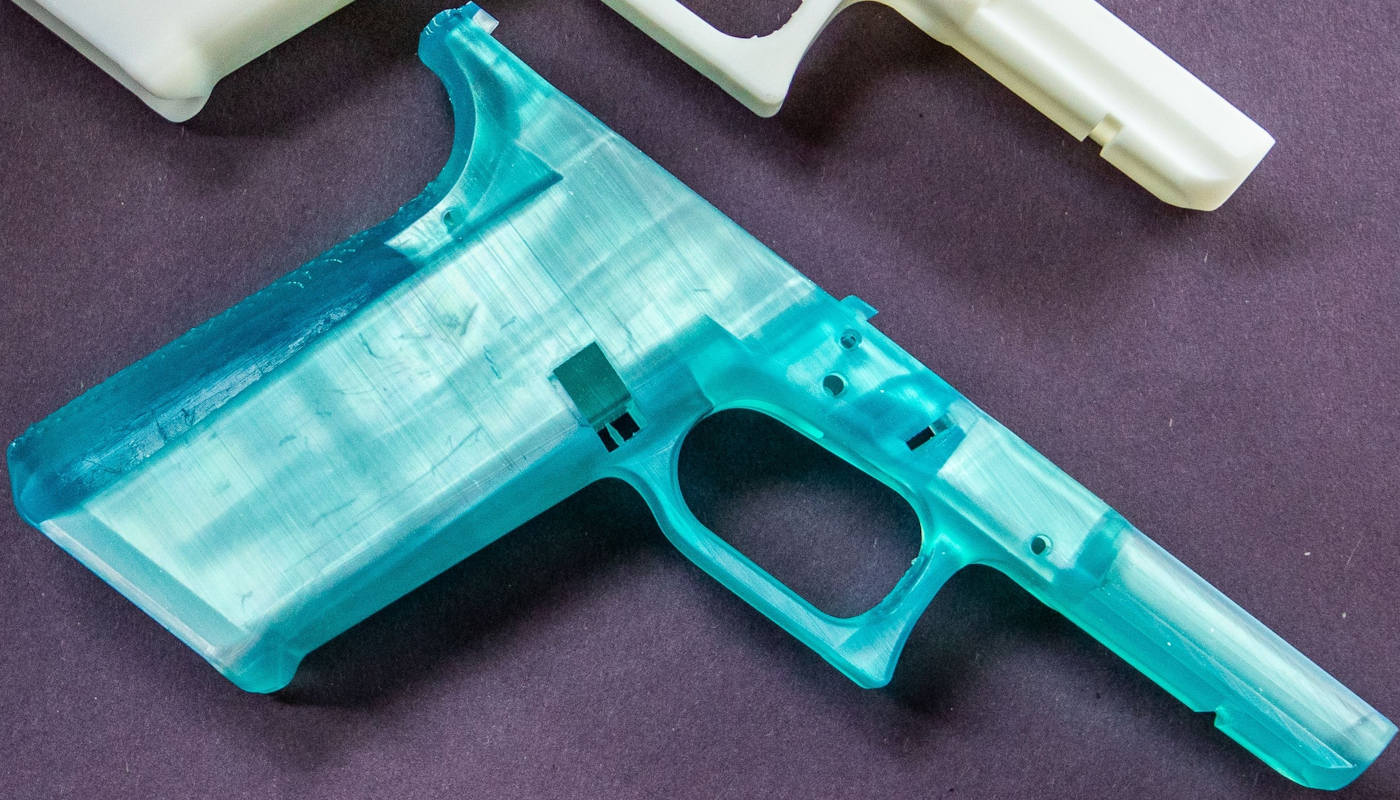
Brandon and Justin Nudelman from Staten Island, New York, once thought while playing billiards that it would be cool to 3D print the so-called “ghost guns”, i.e. weapons that are untraceable by conventional methods.
It was easy to start – on the Internet you can find guides on how to create a weapon frame, and then guides on how to further use them to obtain a functional rifle/pistol. Under normal circumstances, weapon frames are produced with a serial number to make them easier to detect if a crime is committed using them. Printing them in 3D allowed us to bypass this aspect.
However, the frame itself is not enough, because other parts are needed, such as barrels, bolt, magazines and springs. The Nudelman brothers met a man named Michael Daddea, who helped them purchase the required components on eBay to assemble a complete weapon and sell them online. Interestingly, the Nudelmans also created sets they called “Nintendo”, which were used to change the firing mode of weapons from semi-automatic to fully automatic weapons.
Although the brains behind the operation were two brothers and they had one collaborator, the scale of the operation was not small at all. To avoid suspicion, they stored the weapons in a mobile home in Pennsylvania, and Brandon (one of the brothers) had a special storage room where he kept the weapons. Access to the glove compartment required entering a specific sequence of buttons and inserting a special pen into the cup holder.
Interestingly, the Nudelman brothers’ house had several secret rooms that those who bought weapons from them did not even know about.
Unfortunately, the phenomenon of trade in the so-called ghost guns is gaining frequency in the United States. United Healthcare CEO Brian Thompson was assassinated with this type of weapon at the end of 2024. Many states, including New York, Washington, California and Colorado, have prepared special laws to combat the problem. Unfortunately, a side effect of this legislation is strong tightening and restrictions on 3D printing.
The 3D printing community fears that they will limit creative freedom while not solving a real problem. At the same time, there are examples showing that the law has not kept up with technology, e.g. a technology enthusiast built a guided missile launcher using a 3D printer and easily available electronics, and the entire project cost only $96.
Scientists are trying to develop methods to identify ghost guns. One team is working on using digital fingerprints in printed parts, while another is investigating the possibility of linking weapons to specific filament brands through chemical analysis.
However, these are still early attempts and even if they prove effective, they need time before they are implemented.