An important chapter of history is closing. It’s about Linux and hardware
Farewell to the idol of overclockers
If you spent nights working on a motherboard in the 1990s, you know this. Intel 440BX was that chipset – rock-solid, fast, forgiving and ready for overclocking without a heatsink. Today, Linux kernel 7.0 removes the last piece of code that kept it alive in the software.
Formally, it is about removing the EDAC driver for the 440BX – i.e. the mechanism that reports ECC memory errors. And there is some irony here, because the code has not been working since 2007 due to a conflict with the more popular Intel AGP driver. For almost two decades it sat in the kernel as a symbol, instead of fulfilling a real function. But now it is officially gone – not turned off, not deactivated. Deleted.
To appreciate the importance of this moment, you have to remember what the motherboard market looked like before the 440BX appeared. It was an era of complete chaos – incompatibilities, unpredictable failures and a chipset that behaved differently than in the documentation. The “Plug and Play” technology, which was sarcastically called “plug and pray”, spoke for itself. Choosing a motherboard was a game of roulette.
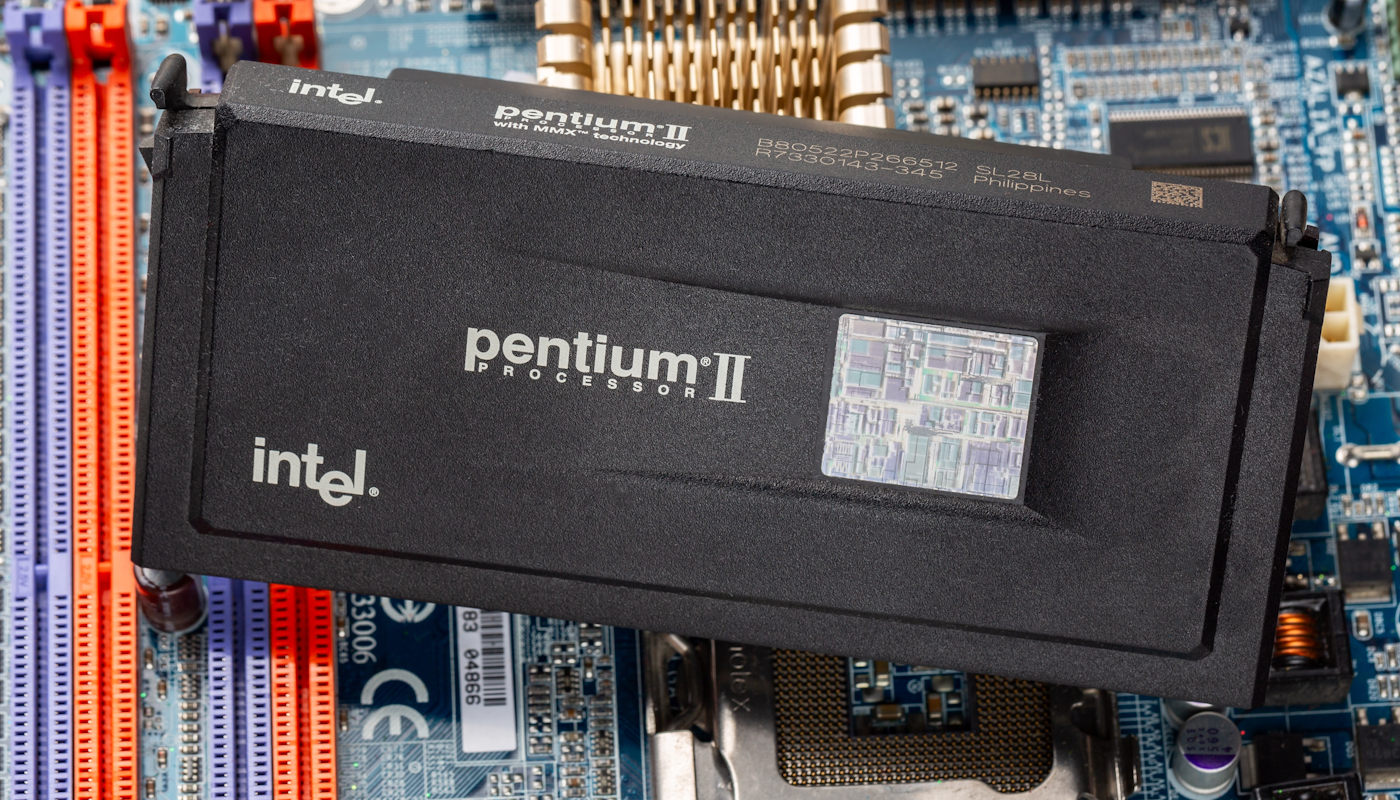
The 440BX chipset changed all that in one move. Stability, extensive custom hardware support and speed – but the icing on the cake was put by overclockers. The board ran without any problems at 50% above the nominal clock speeds – without any additional cooling. This was the foundation of the famous trick from Celeron 300A – a cheap processor for pennies that could be pulled from 300 MHz to 450 MHz with just one DIP switch and closing a jumper. Almost 100% effectiveness. Pentium II-450 was several hundred zlotys more expensive. The choice in such a situation was simple.
The 440BX was like the Nokia 3310 in the computer world: he couldn’t be killed. It powered not only home computers, but entire fleets of servers. And he surpassed his successor. This is a rare feature of the equipment, which has further contributed to maintaining its legendary status.
The symbol of this durability is one fact that still impresses today. Namely VMware still uses the 440BX as the default chipset in virtualization environments – even with Windows 11 as host and guest.
No driver will report it on Linux anymore. But in the history of hardware The Intel 440BX is here to stay.